




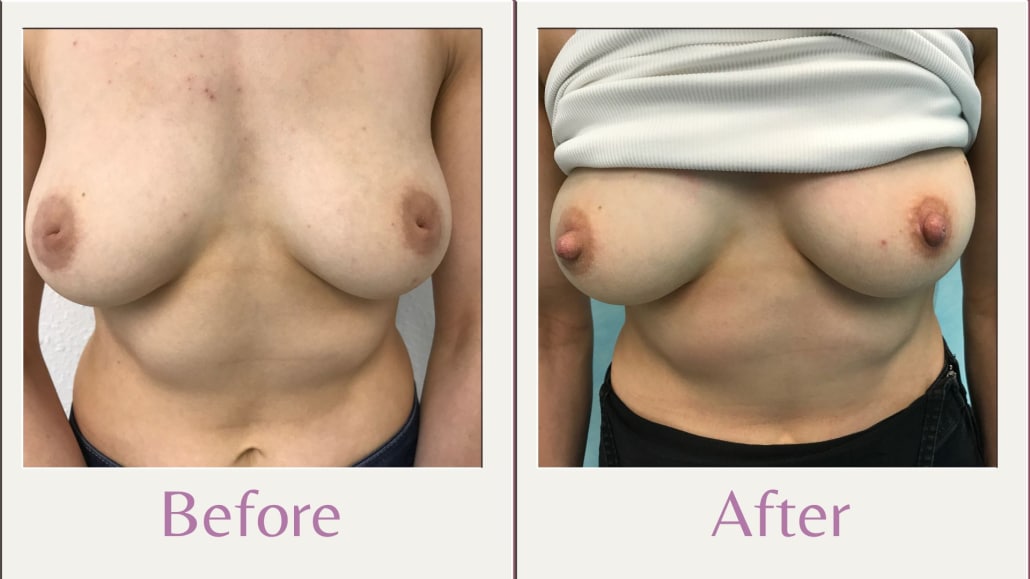
Inverted Nipple Surgery: Options & Benefits
Understanding Inverted Nipple Surgery Options
Inverted nipple surgery is a focused form of breast surgery designed to release the tissue that pulls the nipple inwards and help it sit in a more projected position. For many people, the decision is partly aesthetic, partly practical, and often very personal. At The STAIANO Clinic in Birmingham, we are all plastic surgeons and we can assess whether correction is appropriate, explain the available options, and discuss whether a same-day “See & Treat” appointment may be suitable.
What does inverted nipple surgery actually correct?
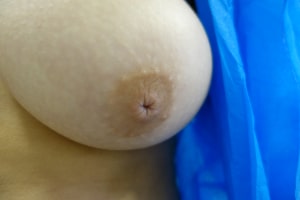
An inverted nipple is a nipple that turns inwards rather than projecting outwards. Surgery aims to release the shortened ducts, fibrous bands, or tethering tissue beneath the nipple so it can sit forward more naturally. Some people have had an inverted nipple since puberty, while others notice a change later in life; a new or changing nipple inversion should be medically assessed before any cosmetic surgery is considered, because nipple changes can sometimes be associated with underlying breast conditions. The NHS lists a nipple turning inwards as one possible breast cancer symptom, so safety and proper assessment come first. (nhs.uk)
This does not mean every inverted nipple is dangerous. Many are longstanding, harmless, and simply part of normal breast anatomy. However, your consultation should still include a careful history, examination, and discussion of symptoms such as discharge, a lump, skin dimpling, rash, pain, or a sudden change on one side. If anything needs investigating, that should happen before proceeding with elective treatment.
For suitable patients, inverted nipple correction can address several concerns:
- Appearance: helping the nipple project rather than sit flat or pulled in.
- Symmetry: improving a difference between one nipple and the other.
- Comfort and hygiene: reducing trapping or irritation in a deeper crease.
- Confidence: making people feel more at ease in intimate settings, fitted clothing, or swimwear.
- Function: in some cases, improving projection, although breastfeeding potential must be discussed carefully.
The main surgical options in plain English
There is no single technique that suits every case. The right approach depends on how tightly the nipple is tethered, whether one or both nipples are affected, whether future breastfeeding matters to you, and how much recurrence risk you are prepared to accept.
Releasing the tethering tissue
The central principle is straightforward: the plastic surgeon releases the short internal structures that are pulling the nipple inwards. This may involve a small incision at or near the base of the nipple, placed as discreetly as possible. Once the restrictive bands have been released, the nipple is brought forward and supported while the tissues heal.
In many traditional techniques, the milk ducts may be divided because they are part of the tissue pulling the nipple inward. This can make the correction more reliable in more severe cases, but it has an important trade-off: cutting ducts will reduce the chance of breastfeeding from that nipple in the future. That is why your priorities need to be discussed clearly before surgery, not after.
Duct-sparing correction
Duct-sparing techniques aim to release the inversion while preserving as much duct tissue as possible. These may use careful dissection, internal sutures, or supportive stitching to hold the nipple out without fully dividing the ducts. Published surgical discussions note that preserving lactiferous ducts is particularly relevant for younger patients who may wish to breastfeed later, although no technique can guarantee normal breastfeeding. (pubmed.ncbi.nlm.nih.gov)
The benefit of a duct-sparing approach is that it may better protect future lactation potential. The limitation is that it can be technically more demanding and may not be suitable for severe inversion where the tethering is strong. In some cases, a more definitive release may give a better cosmetic result but carry a higher breastfeeding trade-off.
Internal support to maintain projection
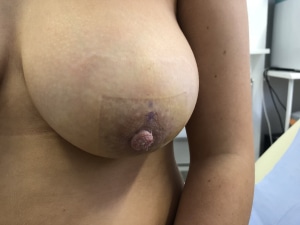
After release, the nipple needs support while healing. Your surgeon may use internal sutures, a small sling-like support, or tissue rearrangement beneath the nipple to help maintain projection. Dissolvable stitches are commonly used, and the visible mark is usually kept small and close to the nipple base where it is less noticeable.
The goal is not simply to pull the nipple out on the day. It is to create a stable shape that remains acceptable as swelling settles and the tissues soften. Recurrence is possible, particularly in more severe cases, so a realistic discussion of likely outcome is just as important as the technique itself.
How could surgery affect breastfeeding or nipple sensation?
Inverted nipple surgery can affect breastfeeding and nipple sensation because the milk ducts, nerves, and blood supply run through the same small area being corrected. If ducts are divided, milk flow from that nipple may be reduced or prevented; if nerves are stretched or disturbed, sensation may change temporarily or, less commonly, for longer.
If future breastfeeding is important to you, say this early in your consultation. We can explain whether a duct-sparing method is realistic in your case or whether it would compromise the correction too much.
It may help to think in scenarios:
- You definitely want to breastfeed in future. A conservative or duct-sparing approach may be discussed, or you may decide to postpone surgery until after pregnancy and breastfeeding.
- You are unsure about future children. You may want a technique that balances projection with preservation where possible, accepting that no approach is risk-free.
- You do not plan to breastfeed. A more definitive release may be appropriate if it offers the most dependable correction for your anatomy.
- Only one nipple is inverted. The impact on breastfeeding may differ from bilateral correction, but the treated side could still be affected.
Sensation is another common concern. Temporary numbness, tingling, or altered sensitivity can occur after cosmetic surgery around the nipple. Many changes settle as healing progresses, but permanent alteration is a recognised risk and should be part of informed consent.
What should you expect on the day and during recovery?
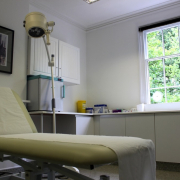
Inverted nipple correction is usually a relatively small procedure compared with larger breast surgery, but it still requires proper consent, sterile technique, aftercare, and follow-up. It can be carried out under local anaesthetic and we offer it in our ‘See & Treat’ Clinics where you can have your consultation and procedure in one day.
This is particularly suitable for patients who may be travelling a long way, or if you have done your research and are fairly confident that you would like to have surgery, although we will always have a full consultation prior to your procedure and there is never any pressure to proceed.
You will be able to go home on the same day, and will be given clear aftercare instructions and advice.
A typical appointment pathway may include:
- Consultation and assessment: discussion of your medical history, symptoms, goals, breastfeeding plans, and examination findings.
- Technique selection: explanation of whether duct division, duct-sparing release, or another supportive method is most suitable.
- Consent: clear review of benefits, limitations, scarring, recurrence, breastfeeding implications, sensation changes, infection, bleeding, asymmetry, and revision risk.
- Procedure: careful release of the tethering tissue and placement of support stitches.
- Dressing and aftercare: protection of the nipple while it settles, with advice on washing, bras, activity, and warning signs.
Recovery is usually manageable, but you should plan sensibly. Mild discomfort, swelling, bruising, and tenderness are expected in the early days. Many people return to light daily activity quickly, but strenuous exercise, pressure on the area, and swimming are often avoided for at least a week.
You will be given our WhatsApp number in case of any issues or need for advice which is monitored by the administrative and the clinical team including our surgeons and clinic nurse.
Call the clinic promptly if you develop increasing pain, spreading redness, unusual discharge, fever, heavy bleeding, or sudden change in nipple colour. These symptoms do not necessarily mean something serious has happened, but they should be checked rather than ignored.
Choosing a plastic surgeon in Edgbaston, Birmingham
Because nipple correction is a small, delicate procedure, experience matters. A qualified plastic surgeon should be able to explain not only how they perform the operation, but why a particular method fits your anatomy and priorities. The consultation should feel detailed, calm, and honest rather than rushed or sales-led.
When comparing clinics, look beyond the headline price. Costs for inverted nipple correction in private UK practice vary by location, surgeon, anaesthetic, facility fees, whether one or both nipples are treated, and what aftercare is included. Having our own clinic in Edgbaston means that there is no separate facility fee and we offer a fixed price that includes all of your aftercare as well as our ‘cast iron’ guarantee that states that we offer free revision surgery for any issues that occur in the first 6 months after surgery.
The cost of inverted nipple surgery at The STAIANO Clinic is £1,838 for one side or £2,198 for both sides which includes everything – your consultation, surgery and aftercare.
Useful questions to ask include:
- Are you a plastic surgeon, and how often do you perform inverted nipple correction?
- Which technique would you recommend for me, and why?
- Will my milk ducts need to be cut?
- What are the realistic chances of recurrence?
- Where will the scar sit, and how visible is it likely to be?
- What changes in nipple sensation could occur?
- What follow-up is included if healing is slower than expected?
- What happens if I need advice after the procedure?
A good consultation should leave you better informed, not pressured. If you are uncertain, it is reasonable to take time to think, especially if breastfeeding, asymmetry, or previous breast surgery makes the decision more complex.
Non-surgical approaches have limited roles
Some people try suction devices, nipple shields, or manual techniques before considering surgery. These approaches may help in specific breastfeeding situations or temporarily draw the nipple out, particularly around pregnancy or postnatal feeding. They are not usually a permanent cosmetic correction for a strongly inverted nipple.
That said, non-surgical methods may still be worth discussing if your inversion is mild, you are pregnant, or your main concern is feeding rather than appearance. Surgery is not the only conversation to have; it is one option within a wider assessment of anatomy, symptoms, goals, and timing.
A practical takeaway
Inverted nipple surgery can be a discreet and effective option when the concern is longstanding, medically assessed, and suitable for correction. The key decision is often the balance between a stronger release and preserving the ducts as much as possible, especially if future breastfeeding matters to you. Scarring is usually small, recovery is often straightforward, and the procedure can make a meaningful difference to confidence, but it is still real surgery with real trade-offs.
If you are considering treatment in Birmingham, you can book online for a ‘See & Treat’ appointment at the clinic in Edgbaston, where consultation and procedure may be completed on the same day if the plastic surgeon confirms you are suitable. This option is designed for convenience, but safety still comes first: your assessment, consent, and treatment plan should all be completed properly before any procedure goes ahead and there is never any pressure to proceed.

Leave a Reply
Want to join the discussion?Feel free to contribute!