




Understanding Lipoma Removal: What to Expect
A lipoma is a usually harmless lump of fatty tissue that grows beneath the skin. Many lipomas do not need treatment, but lipoma removal may be recommended when a lump is painful, growing, irritated by clothing, cosmetically bothersome, or uncertain in diagnosis. This guide explains lipoma causes, evaluation, lipoma treatment options, the removal process, and what recovery commonly involves.
What is a lipoma, and when should you consider removal?
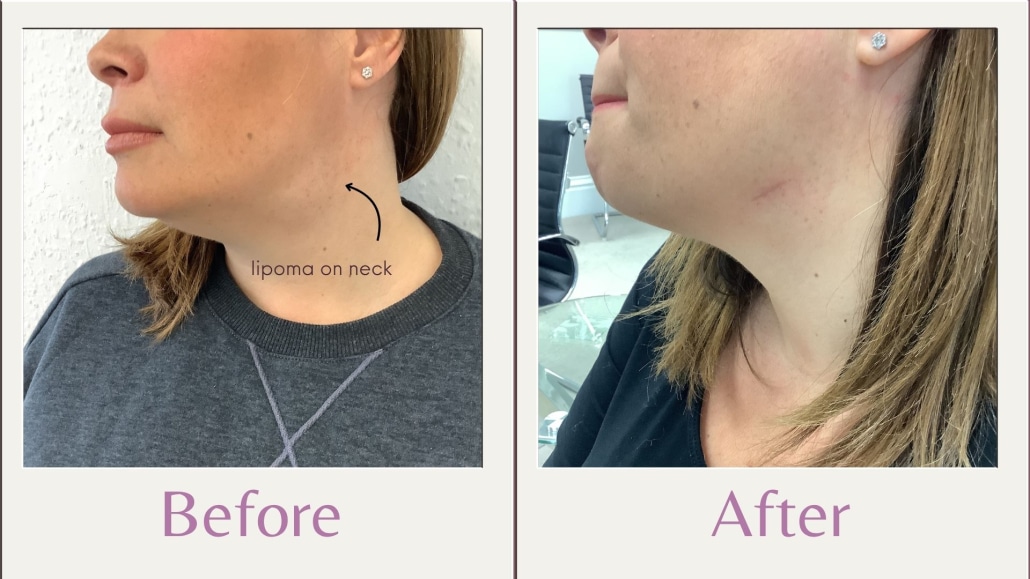
A lipoma is a benign, noncancerous growth made of fat cells, most often felt as a soft, movable lump under the skin. It can appear on areas such as the shoulders, neck, back, arms, or trunk, and it often grows slowly over time. Treatment is not always necessary, but removal becomes worth discussing when the lump causes discomfort, affects movement, changes noticeably, or creates concern about appearance or diagnosis.
People often first notice a lipoma because it feels different from surrounding tissue. It may be rubbery, doughy, or easy to shift slightly with light pressure. Even when a lipoma seems typical, a doctor should evaluate new or changing lumps, especially if they are firm, rapidly enlarging, painful, fixed in place, or located deep in the tissue.
Lipoma causes and risk factors
The exact lipoma causes are not fully understood. Some lipomas appear without a clear trigger, while others may run in families or occur as part of certain inherited conditions. Lipomas tend to occur more often in middle age, and family history can play a role.
A common misconception is that a lipoma forms simply because of body weight. Lipomas are made of fatty tissue, but they are not the same as ordinary fat accumulation and usually do not disappear with dieting or exercise. Maintaining overall health is valuable, but lifestyle changes alone typically are not considered a direct lipoma treatment. In fact, in some cases, lipomas can become more prominent following weight loss.
Signs that a lump should be checked
Most lipomas are not dangerous, but self-diagnosing a lump is risky. Other conditions, including cysts, inflamed tissue, enlarged lymph nodes, or rare soft-tissue cancers, can sometimes be mistaken for a simple fatty lump. Larger lumps and lumps in certain areas like the neck, may need to be investigated with a scan to confirm the diagnosis.
Ask your doctor to assess your lump if you notice:
- Rapid growth or a sudden change in shape
- Pain, tenderness, numbness, or tingling
- A lump that feels hard, fixed, or deep
- Redness, warmth, drainage, or signs of infection
- A mass larger than expected or difficult to define
- Any lump that returns after previous removal
Evaluation may include a physical examination, medical history, imaging such as ultrasound or MRI, or tissue sampling. The goal is to confirm whether the lump is likely a lipoma and to choose the safest approach.
Lipoma treatment options
Lipoma treatment depends on symptoms, size, location, and diagnostic certainty. If the lipoma is small, painless, and clearly benign in appearance, observation may be reasonable. This means monitoring for changes rather than removing it right away.
When treatment is needed, the most common option is surgical excision. During excision, the clinician makes an incision, removes the fatty mass, and closes the skin. This approach allows the removed tissue to be examined if needed and may reduce the chance of leaving part of the lipoma behind.
Liposuction may be considered in some cases, especially when the goal is to reduce the fatty lump through a smaller access point. However, it may not remove the capsule or entire mass as completely as excision in every situation. Liposuction is reserved for larger lipomas and those in areas that may be prone to poor scarring.
What happens during lipoma removal?
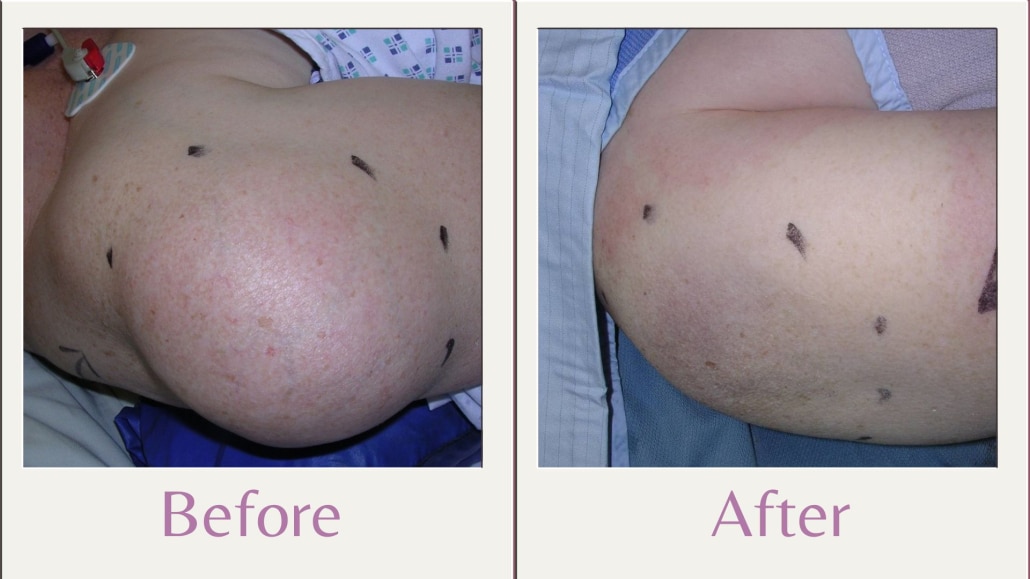
Lipoma removal is typically a planned procedure in which the area is cleaned, numbed, opened carefully, and closed after the lump is removed. Many superficial lipomas can be removed with local anaesthesia, meaning the area is numb while you remain awake. Depending on the size, depth, location, and your health history, your doctor may recommend a different anaesthesia plan.
A typical appointment may include these steps:
- Marking the lump so the we can identify its borders before numbing.
- Cleaning and numbing the area to reduce discomfort during the procedure.
- Making a small incision over or near the lipoma.
- Separating and removing the fatty tissue from surrounding structures.
- Closing the incision with stitches.
- Applying a dressing and reviewing home-care instructions.
You may feel pressure or movement, but sharp pain should be minimized by anaesthesia.
Recovery and aftercare
Recovery after lipoma removal is usually straightforward, but the details depend on the procedure and location. Lipoma removal procedures are often safe and effective, and patients can usually go home on the same day.
Your aftercare instructions will include limiting strenuous activity and watching for signs of infection. Mild soreness, bruising, tightness, or swelling can occur near the incision. We will explain whether your stitches will dissolve on their own or need removal.
Contact us promptly if you notice increasing redness, worsening pain, pus, fever, bleeding that does not stop with gentle pressure, or wound separation. These symptoms do not always mean something serious is happening, but they should be reviewed.
Benefits, limits, and realistic expectations
Lipoma removal can relieve irritation, reduce discomfort, improve confidence, and provide diagnostic clarity. It may be especially helpful when a lump catches on clothing, causes pressure while sitting or sleeping, or creates anxiety because it is visible or changing.
At the same time, removal is still a procedure. It may leave a scar, and scar size can vary based on the lipoma’s size, incision placement, healing response, and skin type. There is also a possibility of recurrence, particularly if the lipoma is difficult to remove completely or is part of a condition that causes multiple lipomas.
Before deciding on a treatment plan, these are the questions you should be asking:
- Is this lump likely to be a lipoma?
- Do I need imaging before removal?
- Which lipoma treatment option fits the size and location?
- What type of anaesthesia will be used?
- What scar should I expect?
- Will the tissue be sent for pathology?
- How long should I limit activity afterward?
Preparing for your appointment
Good preparation helps us make a clear recommendation. Write down when you first noticed the lump, whether it has changed, and whether it causes pain, numbness, or irritation. Mention any personal or family history of multiple lumps, prior removals, bleeding issues, allergies, or medications that affect clotting.
Wear clothing that makes the area easy to access if possible. If you have previous imaging or records, bring them. Most importantly, avoid trying to squeeze, cut, drain, or treat the lump at home. A lipoma is not a pimple or cyst, and home removal attempts can cause infection, scarring, or incomplete treatment.
The bottom line
Lipomas are commonly benign fatty lumps, and many can simply be watched. When a lump is painful, growing, bothersome, or uncertain, lipoma removal offers a practical way to treat symptoms and confirm what the mass is. The safest next step is a professional evaluation, followed by a treatment plan based on the lipoma’s size, location, symptoms, and your goals.


#askjj
Read Jonathan's book now!
Jonathan is on a one man crusade to revolutionise the image of cosmetic surgery and is passionate about spreading his message about cosmetic surgery training.