




Understanding Areola Reduction: Benefits and Procedure
Areola reduction is a cosmetic procedure that can enhance breast aesthetics. It focuses on decreasing the size of the areola. Many people seek this surgery for personal or aesthetic reasons.
The procedure can be performed alone or with other breast surgeries. It is often chosen by those who feel their areolae are too large. This can be due to personal preference or a desire for proportionate breasts.
Areola reduction involves removing a section of the outer areola. The remaining tissue is then sutured to achieve a smaller diameter. This results in a more balanced appearance.
Recovery is usually quick, taking about one to two weeks. Most patients return to normal activities shortly after. Scarring is left around the outskirt of the areola and fades over time.
The procedure is generally safe with low risk of complications. It can improve self-esteem and body image. Many find it empowering and confidence-boosting.
Areola reduction is suitable for both men and women. It can be part of gender-affirming surgery. The decision should be made after thorough research and consultation.
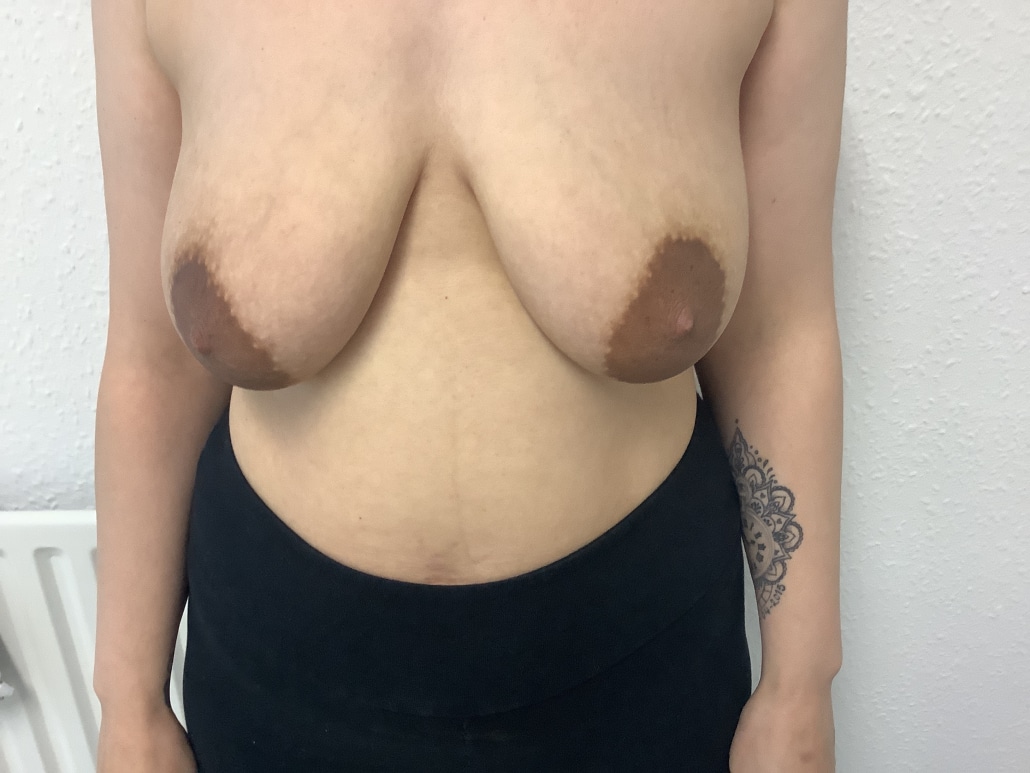
Before and after photos can help potential patients understand the outcomes. Discussing goals with a qualified plastic surgeon is crucial. This ensures realistic expectations and satisfaction with the results.
What Is Areola Reduction?
Areola reduction is a surgical procedure aimed at altering the size and appearance of the areola. The areola is the pigmented area around the nipple. Sometimes, individuals feel their areolae are too large or out of proportion with their breast size.
This procedure can be done on its own or paired with other surgeries like breast augmentation or reduction. It offers a way to achieve a more balanced and aesthetically pleasing breast appearance. The surgery helps in enhancing one’s body image.
During the procedure, a section of the outer areola is removed to reduce its size. This involves making an incision around the areola and then suturing the edges. A purse-string suture is used to close down the diameter of the areola and this can either be a permanent or dissolvable suture and there are pros and cons of each. We tend to use a permanent suture at The STAIANO Clinic, but you can ask your surgeon to discuss the benefits of each. The result is a smaller areola with minimal scarring.
Areola reduction is often performed under local anaesthesia, making it less invasive and we can offer it in our ‘See & Treat’ Clinic on a walk in, walk out basis. The recovery period is usually short and uncomplicated. Patients are advised to follow post-operative care instructions to ensure optimal healing.
Key aspects of areola reduction include:
- Reducing areola size for better proportion
- Minimal scarring that fades over time
- Quick recovery with minimal downtime
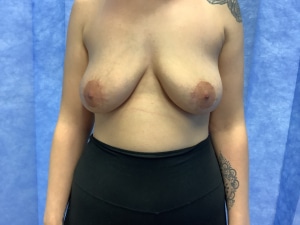
The procedure offers lasting results, with many patients feeling more confident and satisfied with their body image. Whether for aesthetic reasons or personal comfort, areola reduction is a viable option for many.
Who Is a Good Candidate for Areola Reduction?
Areola reduction surgery is suitable for individuals who are self-conscious about the size of their areolae. Both men and women can benefit from this procedure, especially those who feel their areolae are disproportionate to their breast size.
The ideal candidate should be in good overall health and a non-smoker. It is important that they have realistic expectations about the outcomes of the surgery. Discussing goals with a qualified plastic surgeon can help set appropriate expectations.
Patients seeking this surgery often desire a more balanced or symmetrical breast appearance. Some may experience discomfort due to rubbing against clothes, prompting their decision. Others might be motivated by aesthetic desires or psychological benefits.
Consider areola reduction if you:
- Want proportionate areolas
- Experience physical discomfort
- Seek improved self-confidence
- Desire changes due to aging or hormonal shifts
Understanding personal motivations and discussing them with a plastic surgeon is essential. This ensures satisfaction with the results and clarity about the achievable outcomes.
Areola Reduction vs. Nipple Reduction: Key Differences
Areola reduction and nipple reduction are distinct but often confused procedures. Both are aimed at altering the appearance of the breast, but they target different areas.
Areola reduction focuses on decreasing the size of the pigmented skin surrounding the nipple. In contrast, nipple reduction addresses the projection or size of the nipple itself. Understanding these differences is crucial for anyone considering breast surgery.
Each procedure can be done independently or together, depending on the desired outcome. Discuss your specific goals with a plastic surgeon. Here are the key differences:
- Area Treated: Areola (areola reduction) vs. Nipple (nipple reduction)
- Primary Goal: Decrease areola size vs. Adjust nipple size/projection
- Common Candidates: Dissatisfaction with areola vs. Nipple aesthetics
By consulting with a qualified plastic surgeon, individuals can determine which procedure best suits their needs.
Reasons to Consider Areola Reduction
Many individuals choose areola reduction for various personal reasons. These reasons often stem from aesthetic preferences and self-esteem concerns.
One common reason is the feeling that the areolas are disproportionately large. This perception can affect how individuals view their overall breast appearance. Sometimes the areolae are stretched when breasts become larger during weight gain or pregnancy but do not return to their original size when the weight is lost.
Areola asymmetry may also drive some to seek this procedure. Reducing and balancing the areola size can create a more symmetrical look.
Consider the following reasons for areola reduction:
- Desire for smaller, more proportional areolas
- Correction of areola asymmetry or shape
- Personal discomfort with the current appearance
- Part of a post-pregnancy body restoration
Ultimately, the decision is highly personal. Those who feel self-conscious due to their areola size might find areola reduction beneficial. Consulting with a plastic surgeon can help clarify whether this procedure aligns with one’s body goals.
The Areola Reduction Procedure: Step-by-Step
Understanding what happens during areola reduction can ease concerns. The procedure is usually straightforward and quick, often taking around 2 hours.
Before surgery begins, the surgeon will mark the area to guide incisions. This ensures symmetrical and precise results.
Next, anaesthesia is administered to keep the procedure pain-free. Local anaesthesia is common, though some cases may require general anaesthesia.
The core of the procedure involves removing a circular piece of the outer areola. This effectively reduces the overall diameter.
After removal, the remaining tissue is sutured neatly using a deep purse string suture to take the tension off. The surgeon may then use dissolvable stitches in the skin for easier recovery.
Here’s a step-by-step overview:
- Consultation to discuss goals and expectations
- Anaesthesia to ensure patient comfort
- Marking and measuring the areolas
- Removal of excess areolar tissue
- Closing with stitches for a natural look
The entire process aims for a smaller, more balanced areola. Post-surgery, patients can expect improvements in appearance and possibly confidence. Here at The STAIANO Clinic, we are in the position to offer the whole process in a single visit to align with your busy lifestyle and avoid the need for repeated trips to the clinic. We are pioneering our ‘See & Treat’ service that allows you to come and have a consultation with one of our plastic surgeons and have your areola reduction on the same day. You can book your appointment online or call us for more details at 0121-454 3680.
Areola Reduction Before and After: What to Expect
Areola reduction can be a transformative procedure for those who feel self-conscious about their areola size. Before undertaking the surgery, individuals can consult before and after photos. These images offer a glimpse into the potential changes and help set realistic expectations.
During the initial consultation, patients will discuss their desired outcomes with their surgeon. Understanding the achievable results is crucial to satisfaction after the surgery.
Post-surgery, patients often experience some swelling and bruising. The areola also appears puckered to start with which is normal and typically fades within a few weeks, revealing the surgery’s final results.
As the healing process unfolds, changes in the areola size become more apparent. Patients can expect their new areola size to harmonize with the natural breast contours.
Here’s an outline of what to expect before and after:
- Initial consultation and goal setting
- Review of before and after photo examples
- Swelling and bruising post-surgery
- Gradual revealing of final results
- Assessment at follow-up appointments
Overall, many patients find enhanced self-esteem and satisfaction with their appearance after surgery, achieving a balanced and natural look.
Recovery and Aftercare
Recovery from areola reduction surgery is typically straightforward and manageable. Most patients can resume daily activities in one to two weeks. However, following post-operative instructions is crucial for optimal healing.
During the initial recovery period, avoiding strenuous activities is essential. Patients should refrain from heavy lifting and intense exercise to promote healing and minimise swelling.
Regular follow-up appointments will be scheduled to monitor healing progress. These visits offer an opportunity to address any concerns and ensure everything is healing as expected. You will be looked after by our clinic nurse and your consultant plastic surgeon, so you will have complete peace of mind and access to the surgical team.
Key aftercare steps include:
- Avoiding strenuous activities
- Keeping the incision area clean
- Attending follow-up appointments
- Observing any changes and reporting them
Adhering to these recovery and aftercare steps can significantly impact the overall success of the surgery. Following your surgeon’s recommendations diligently is key for achieving the best results and ensuring a smooth recovery process.
Risks and Potential Complications
While areola reduction surgery is generally safe, potential risks exist. As with any surgical procedure, there’s a chance of bleeding and infection. Choosing a qualified plastic surgeon can help minimise these risks.
Patients may experience changes in nipple sensation after the procedure. This can include numbness or sensitivity. These changes are usually temporary, but some may persist long-term.
Other potential complications include:
- Scarring – this is initially puckered and then settles
- Uneven areola size or shape
- Slow wound healing
- Allergic reactions to anaesthesia or material
Discussing these risks with your surgeon is critical. Understanding possible complications helps in making an informed decision. By following pre- and post-operative instructions, you can reduce the likelihood of complications and ensure a smoother recovery process.
Areola Reduction with Other Breast Surgeries
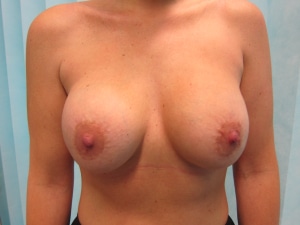
Areola reduction can be conveniently paired with other breast surgeries. It is often combined with procedures like breast augmentation or breast reduction. This can enhance the overall aesthetic outcome.
Combining surgeries allows for comprehensive changes in one operation. This reduces the need for multiple recovery periods. It can also potentially save on costs and time.
Some common combinations include:
- Breast augmentation with areola reduction
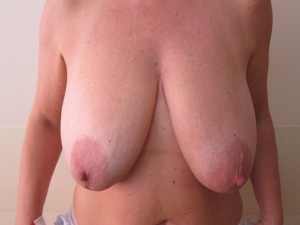
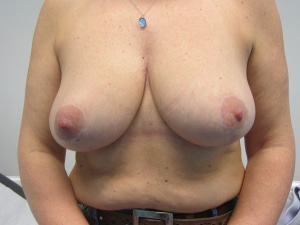
- Areola reduction during breast lift
- Areola reduction with breast reduction
Discussing all of your aesthetic goals with your surgeon is vital. They’ll provide guidance on whether combining procedures is suitable for you. By aligning your surgery plans, you can achieve a more balanced and desired breast appearance.
Breast augmentation with areola reduction
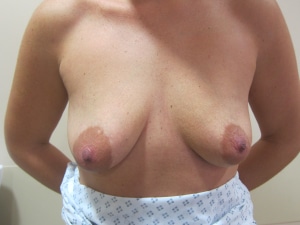
Breast lift with areola reduction
Cost of Areola Reduction and Insurance Considerations
The cost of areola reduction varies widely. Factors include the surgeon’s expertise, location, and whether it’s combined with other procedures. On average, prices range from £2,000 to £5,000.
Insurance generally does not cover areola reduction. This is because it is considered a cosmetic procedure. However, some exceptions exist if it’s part of a reconstructive surgery plan.
Patients should explore all financial options. You can request a price for areola reduction at The STAIANO Clinic here.
When comparing prices, it is important to be aware of what is included in the cost of areola reduction, in particular the training and experience of the surgeon and your aftercare. At The STAIANO Clinic, we are all fully trained plastic surgeons and all our prices are fixed cost packages and include our comprehensive aftercare package which means you can come back to the clinic as often as you need for as long as you need. We never discharge our patients and you are always welcome back if you ever have any questions or concerns.
Choosing a Qualified Plastic Surgeon
Selecting the right surgeon is vital for a successful areola reduction. Research their credentials and look for board certification or holding the specialist fellowship in plastic surgery. You can tell this by the letters FRCS(Plast) after the surgeon’s name. Experience is key in achieving optimal results.
During consultations, ask questions about their specific experience with areola reduction. Request before and after photos of previous patients. Consider the following when choosing a surgeon:
- Board certification or holding a specialist fellowship – FRCS(Plast)
- Years of experience in cosmetic breast surgeries
- Patient reviews and testimonials
A thorough evaluation can help ensure that your surgeon is skilled and meets your expectations. Trust and communication between you and your surgeon are essential.
For more detailed advice on choosing a surgeon for your cosmetic surgery, I have written a book ‘Never Accept A Lift From Strangers’.
Frequently Asked Questions About Areola Reduction
Many people have questions before deciding on areola reduction. Understanding the procedure can ease concerns and help with decision-making. Here are answers to some common enquiries.
How long does the surgery take? The procedure is typically completed in around 2 hours. However, this can vary based on individual needs.
Will there be significant scarring? Scarring is usually minimal and fades over time. It generally blends with the natural areola colour.
What is the recovery period like? Most patients return to normal activities within one to two weeks. Following post-operative guidelines is crucial for healing.
Consider this list when gathering more information:
- Expected outcomes and limitations
- Post-procedure care instructions
- Long-term effects and maintenance
Is areola reduction suitable for men? Yes, men can benefit from the surgery to achieve a more proportionate appearance. It’s available for anyone with concerns about areola size.
Does insurance cover the cost? As a cosmetic procedure, it’s often not covered by insurance. You should enquire about financing options with your surgeon.
Conclusion: Is Areola Reduction Right for You?
Deciding on areola reduction is a personal choice. It can significantly boost confidence for those unhappy with their areola size.
Consult a qualified plastic surgeon to discuss your goals and expectations. This helps ensure that the procedure aligns with your aesthetic desires. Remember, the decision should reflect your individual needs and not be influenced by external pressures. Careful consideration and professional advice are essential for a satisfying outcome.