What to Expect During the Procedure
Earlobe repair is typically performed under local anaesthesia. This means you’ll stay awake but won’t feel pain. It usually lasts about 60-90 minutes.
The procedure begins with cleaning the earlobe. We start by carefully marking the area for precise work. Once anaesthetised, repair begins using the chosen technique.
Here are the main steps involved:
- Cleansing and marking the earlobe
- Administering local anaesthesia
- Repairing the earlobe
After the repair, we close the incision with fine sutures. You will receive instructions for care. You can return home right after the surgery, feeling little discomfort.
You will be given some ointment to apply to your earlobe and you will be able to shower and wash your hair straight away.
Recovery and Aftercare
Recovery after earlobe surgery is typically smooth and quick. You may experience some swelling or mild discomfort, which is normal. Most patients are back to their regular activities within a few days.
Proper aftercare is crucial for healing and avoiding complications. Following your surgeon’s instructions ensures the best results. Keep the area clean and protected from trauma.
Consider these steps for effective aftercare:
- Apply prescribed ointments
- Avoid wearing earrings for several weeks
- Do not touch or pull on the earlobe
It’s important to attend follow-up appointments. We will monitor healing and remove stitches if needed, usually within a week. Following these guidelines promotes optimal recovery and reduces the risk of infection.
Risks and Potential Complications
Like any surgical procedure, earlobe repair comes with certain risks. Although complications are rare, it’s essential to be aware of them. Understanding these risks helps set realistic expectations.
Potential complications include:
- Infection at the incision site
- Noticeable scarring or uneven healing causing a notch in the earlobe rim
- Asymmetry between the earlobes
We will talk to you about these risks. Choosing a fully trained plastic surgeon minimises these possibilities, ensuring a better outcome. Proper aftercare and following medical advice further reduce any potential complications. This collaborative approach between patient and surgeon is key to success.
Results, Re-Piercing, and Long-Term Care
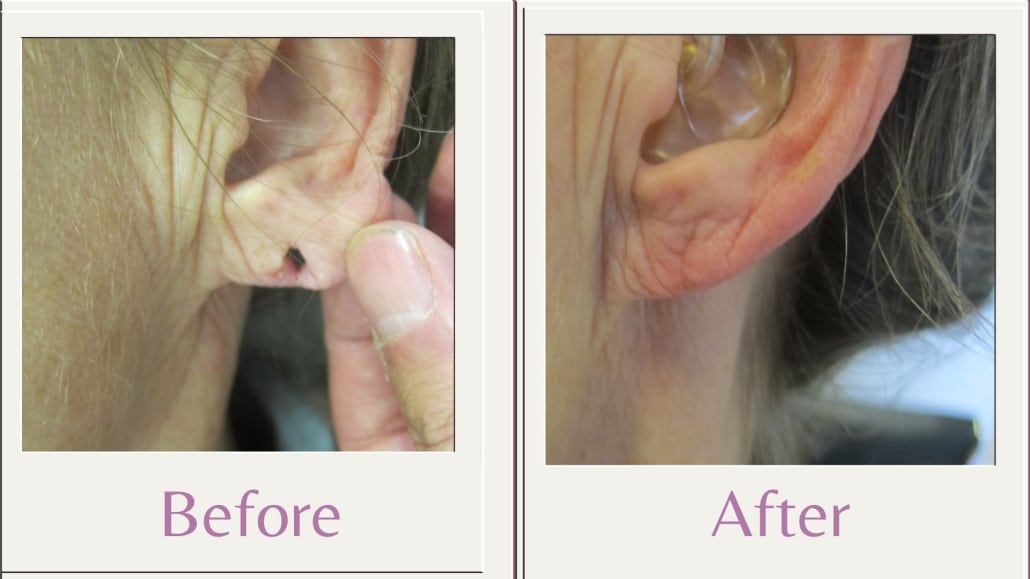
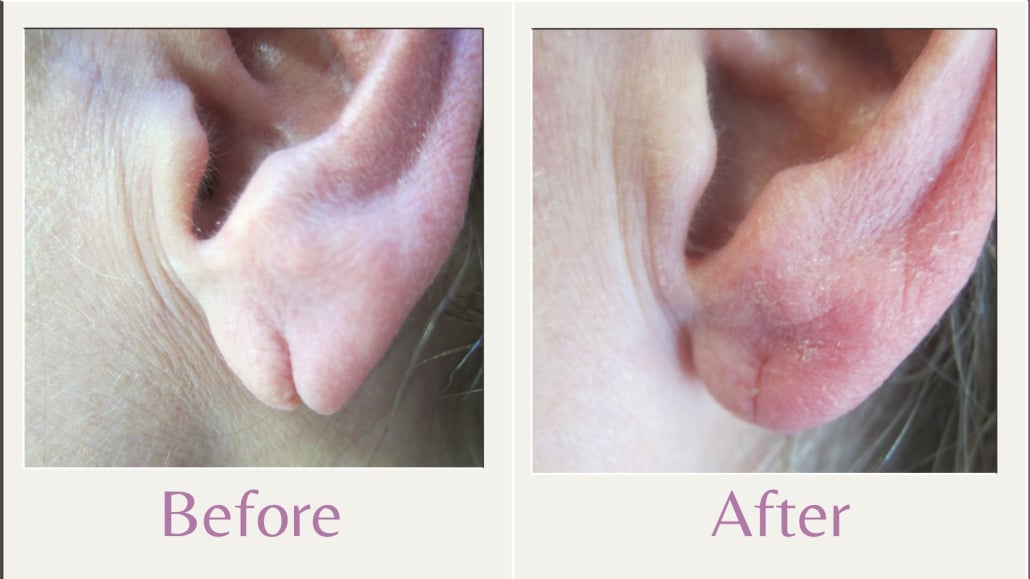
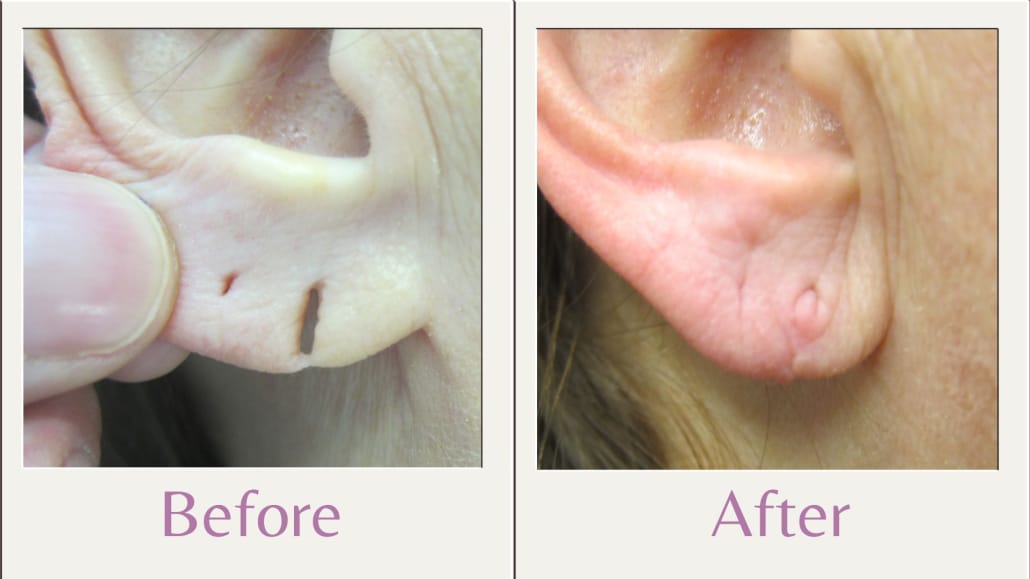
Earlobe repair can significantly enhance appearance and self-esteem. Most patients notice a restored, natural look shortly after healing. Satisfaction rates are high.
For those wanting to re-pierce their ears, patience is crucial. We typically recommend waiting several months before re-piercing. Follow-up appointments help ensure proper healing.
Long-term care involves:
- Keeping earlobes clean and moisturised
- Avoiding heavy earrings
- Monitoring for any signs of complications
By adhering to these guidelines, patients can enjoy their rejuvenated earlobes for years to come.





#askjj
Read Jonathan's book now!
Jonathan is on a one man crusade to revolutionise the image of cosmetic surgery and is passionate about spreading his message about cosmetic surgery training.