





Find Top Mole Check Clinics Near Me
Revolutionising Mole Check Clinics
Finding a reliable clinic for mole checks is crucial for maintaining skin health. Getting your moles looked at quickly can help detect skin cancer early. Early detection is key to successful treatment. If you’re searching for mole check clinics near me, this guide will help you compare options and feel confident about your choice.
Many people wonder how to find the best clinic nearby. With so many options, it can be overwhelming. But don’t worry, I might have the answer.
I will walk you through the process. I will cover what to look for in a clinic. You’ll learn how to find reputable skin health clinics and understand skin cancer screening basics.
I will also discuss the importance of dermatology mole checks. Understanding what to expect can ease any concerns. By the end, you’ll feel confident in choosing the right clinic.
Why Mole Checks Are Important
Mole checks are vital for your skin’s health. These check-ups help in identifying early signs of skin abnormalities. Regular examinations can often prevent serious conditions through timely skin cancer screening.
Moles can change shape or colour over time. Such changes might indicate potential skin issues. Early detection can lead to successful treatment.
During a mole inspection, dermatologists and plastic surgeons look for specific signs. Here’s what we typically check:
- Size and shape of the mole
- Changes in colour
- Any asymmetry or irregular borders
Atypical moles might develop into melanoma. Melanoma is a serious form of skin cancer. Spotting it early can save lives.
This practice empowers you to take charge of your skin health. Having easy access to regular mole checks provides peace of mind. It also builds a proactive approach to skin care.
What to Expect During a Traditional Mole Check
Mole checks are traditionally performed by a medical expert, usually a dermatologist or a plastic surgeon and will involve a face to face consultation. The dermatologist will ask about your medical history first. This helps them understand any risk factors you might have.
Next, a thorough skin inspection follows. They’ll use specialized tools, like a dermatoscope, to get a closer look. This instrument magnifies the mole for a detailed examination during a dermatology mole check appointment.
Expect to lie down on an examination table. This allows the dermatologist easy access to all skin areas. The check is painless, though sometimes a biopsy might be needed.
Here’s what usually occurs during the mole check:
- Review of your medical history
- Use of a dermatoscope for close inspection
- Possible biopsy for suspicious moles
The entire process usually takes less than an hour. Results, if a biopsy is performed, may take a few days. The dermatologist will guide you on the next steps based on findings.
How About An Instant Mole Check?
Traditional mole checks are ideal if you have multiple moles or if you do not have a particular mole that you are worried about and are looking for reassurance and monitoring.
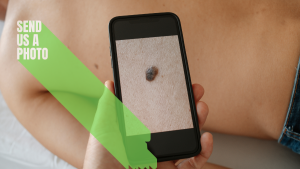
However, if you have a specific mole that has changed or you do not like the look of, we offer an instant mole check without having to come to the clinic and without having to pay for a consultation.
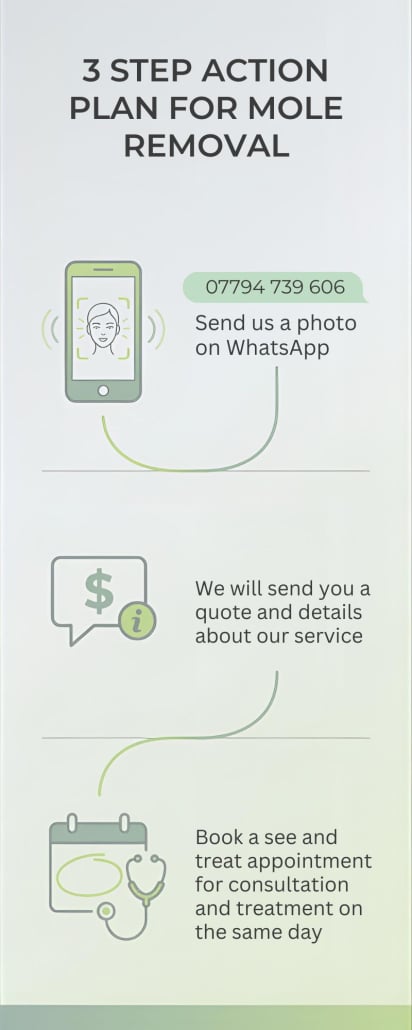
You can send a photo of your mole to our STAIANO Clinic WhatsApp number and one of us will have a look at it and give you an opinion.
It is always helpful to have some background information such as:
- how long have you had the mole?
- has your mole changed recently?
- do you have any symptoms such as pain, bleeding or itching from your mole?
- have you ever had any suspicious moles removed in the past?
- do you have any family history of skin cancer?
It is also helpful to send a close up photo and a zoomed out view so we can get an idea of scale and the location of the mole on your body.
If you require a biopsy, we will give you a quote for removal and if you wanted to go ahead, there would be no need to come for another consultation. We offer a ‘See & Treat’ service where you can have a consultation with one of our Plastic Surgeons and then go ahead and have your mole removed on the same day.
Not only does this mean that you will get an answer straight away without having to wait for a clinic appointment, but it also means that when you do come and see the doctor, you will have the information you need to proceed with removal on the same day if you wanted to.
We aim to offer you a ‘See & Treat’ appointment within 7 days of your enquiry, so can offer an unprecedented level of support for complete peace of mind.
Which Clinic For A Good Mole Check?
Choosing the right clinic for mole checks is crucial. If you want a general check up of your moles and potential surveillance on a regular basis moving forward, look for a fully qualified dermatologist. They are specialists in skin health and have the necessary expertise to give you an overview. Clinics with advanced technology can offer more accurate diagnostics. Mole mapping and digital dermatoscopy are examples of such technologies used during a dermatology mole check.
If you think you may need a surgical procedure to remove your mole, then a plastic surgeon will have the surgical training to tackle your mole, no matter how big it is especially when in cosmetically sensitive areas like the face.
Should I get a dermatologist or a plastic surgeon to perform my mole check?
Plastic surgeons have formal surgical training and are best suited to plan your mole excision to leave the least visible scarring and also with a view to preparing for further surgery if your mole turns out to be cancerous and may need further treatment.
Dermatologist have no formal surgical training and are best suited to skin health checks and can help with other skin issues you may have.
When searching for a good mole check clinic, you should ensure that hygiene and safety protocols are strictly followed. This ensures a safe and clean environment for all procedures. Ensuring that the clinic is accredited adds an extra layer of trust.
Moreover, a clinic should provide personalised care. This means listening to the patient’s concerns and tailoring services accordingly.
Consider the following when assessing clinics:
- Fully trained doctors to the level of an NHS Consultant – this means Consultant Dermatologists or Plastic Surgeons who are on the GMC Specialist Register for Plastic Surgery
- Strict hygiene and safety standards
- Accreditation and certifications, such as CQC and FRCS(Plast)
- Personalised care approach – look for a team that will prioritise your needs and listen to you.
Additionally, a welcoming atmosphere is beneficial. A friendly staff and comfortable environment can ease any anxiety. Knowing that you are in capable hands brings peace of mind.

How to Search for Mole Check Clinics Near Me
Finding a reliable clinic nearby can seem daunting. Start by searching online using keywords like “mole check clinics near me”, “mole inspection near me” or “dermatology near me.” These terms can help identify local options.
Online reviews offer valuable insights. Patients often share their experiences, providing a glimpse into the clinic’s services. Sites like Google Reviews are good starting points.
Word-of-mouth is another effective method. Ask friends, family, or colleagues if they can recommend a clinic. Personal experiences can often guide you to trustworthy skin health clinics.
Consider consulting your GP. They can refer you to reputable dermatologists or plastic surgeon for mole checks. This connection can simplify your search process and assure reliability.
Evaluate potential clinics by:
- Reading patient reviews online
- Asking for personal recommendations
- Consulting your doctor for referrals
Accessibility is also crucial. Consider the clinic’s location and its operating hours. Ensure it fits conveniently into your schedule for ease of visits.
Understanding the process can help to avoid disappointment and wasted journeys. Many clinic will take a photograph as a first port of call and so your first appointment may not be with a doctor, but it will involve a screening process with a photograph that then gets reviewed by the doctor.
At The STAIANO Clinic, we have simplified the process by allowing you to send us a photograph directly which we will review and get back to you without the need to attend the clinic.
This means that we can offer a ‘See & Treat’ service where the first appointment you have with us could be a combined consultation and procedure to expedite the process and to save on unnecessary trips to the clinic where you might have to take time off work or adjust your schedule.
Questions to Ask Before Booking a Mole Check
Before booking a mole check, gather as much information as possible about the clinic. Clear communication with the clinic can help set expectations and address any concerns.
Start by enquiring about the qualifications of the doctors. Confirm they are fully trained with the necessary expertise.
Consider enquiring about the clinic’s approach to follow-up care. Understanding their process for delivering results and recommendations is important for effective skin health management.
Some clinics will charge for consultations as well as the procedure and there may also be a charge for follow up appointments which may be necessary to discuss the histological results and assess your progress.
Here are some essential questions to ask:
- Are the doctors fully trained specialists?
- What is included in the price? Some will offer an all-inclusive price while others will charge extra for consultations, histological analysis or follow up visits.
- How will results be communicated to me?
- What follow-up care does the clinic offer? What happens if I need any revision procedures if I have a mole removed and there is some left behind, for instance.
At the STAIANO Clinic, we offer an all-inclusive price for mole removal, to avoid any anxiety if you were to have your mole removed. The price we quote will include all consultations both before and after your procedure as well as histological analysis and cover for any revision surgery if the mole is not completely removed or if there are any issues with the scarring.
Understanding Skin Cancer Screening and Early Detection
Skin cancer screening is vital for catching signs of cancer early when treatment is more successful. Regular screenings can save lives by identifying cancer in its initial stages.
Once you have identified a concern with a particular mole, it is important to get an opinion as soon as possible for two reasons:
- the sooner a suspicious mole is removed, the sooner you can have peace of mind that the process has started towards a definitive diagnosis.
- the prognosis for malignant melanoma is much better for skin cancers that are removed before they have had a chance to grow and potentially spread to other parts of the body.
Early detection is key in preventing the progression to more severe conditions. Many people do not realise the importance of regular skin checks. However, a timely diagnosis can make a significant difference.
While there is no substitute for an in-person consultation with a trained dermatologist or plastic surgeon, the first step is a visual inspection of your mole and this can be done remotely, so there is no need to delay to get an opinion by sending us a photo in the first instance.
You will always be welcome to come to the clinic for an in-person assessment with one of our plastic surgeons and if you are considering having your mole removed, you can come for a ‘See & Treat’ appointment, which we aim to offer within 7 days, with no need for a GP referral, so you could potentially have your mole removed within days of your first contact.
Tips for Choosing the Right Mole Check Clinic
Choosing the right doctor for a mole check is crucial. Your choice can significantly affect your skin care experience and outcomes.
Whether it is a dermatologist or a plastic surgeon, make sure that the doctor that you see is fully trained. This means that they are a Consultant Dermatologist or on the specialist register for Plastic Surgery – you can check this on the GMC website.
The clinic’s reputation can offer insights into the quality of care. You can check online reviews and ratings to gauge patient satisfaction. Recommendations from friends and family can also be valuable.
Consider the following points when selecting a dermatologist or plastic surgeon:
- Level of training and credentials.
- Years of experience.
- Positive reviews and patient feedback.
- Accessibility and convenience of clinic location.
Lastly, it is helpful to assess their communication style. A doctor who listens and explains procedures in layman’s terms can enhance your comfort and understanding.
What Happens After Your Mole Check?
After your mole check, we will discuss the findings with you. We will explain any areas of concern identified during the examination.
If there are suspicions or concerns, we will be able to offer an in-person appointment with on of our plastic surgeons where we will be able to make a full assessment.
Prior to your in-person consultation, we will be able to give you an all-inclusive quote to have your mole biopsied, should you wish to go ahead with this. Not only that, we also offer urgent clinic appointments where we will be able to remove your mole within 7 days of you getting in touch with us.
You will receive advice on how to monitor your moles at home. It’s crucial to watch for any changes in size, shape, or colour.
We can also offer follow-up appointments for ongoing assessments. These check-ins ensure any potential issues are caught early.
Once you have been to the clinic, you will always be welcome back for follow up consultations if you have any changes or concerns with your moles. We will inform your GP of all of your visits, but there is no need to visit your GP prior to contacting us.
Conclusion: Taking Charge of Your Skin Health
Regular mole checks can be your first line of defence against skin cancer. By staying proactive, you ensure early detection and treatment, which could be lifesaving.
Choosing the right clinic is key to receiving quality care. Ensure that the clinic you choose meets your needs and provides comprehensive skin check services.
Your skin health is in your hands. By being vigilant and informed, you can maintain healthy skin and peace of mind. Prioritise your health by making mole checks part of your routine and using trusted results from dermatology near me searches when evaluating skin health clinics.
Q&A
Question: How do I begin finding reputable mole check clinics near me? Short answer: Start with an online search using terms like “mole check clinics near me,” “mole inspection near me,” or “dermatology near me.” Then review patient feedback on platforms like Google Reviews, ask friends and family for recommendations, and request a referral from your GP. As you narrow options, consider practical factors like location and operating hours to ensure the clinic fits your schedule.
Question: What is the difference between a dermatologist and a plastic surgeon for a mole check? Short answer: Both types of doctors are trained to identify potential skin cancers. Plastic surgeons have a background in performing reconstructive surgery and will be able to plan your mole removal, especially for larger moles or moles in sensitive areas such as around the face. Dermatologists have a background in treating all types of skin conditions and complaints and will be able to perform a more comprehensive overview of your general skin health.
Question: What key qualities should I look for when comparing clinics? Short answer: Prioritise clinics that have Consultant-level dermatologists or plastic surgeons on the GMC specialist register. Look for strict hygiene and safety protocols, and recognised accreditation such as FRCS(Plast) and CQC registered facilities. Also look for personalised care, comprehensive skin health services, and a welcoming environment—these qualities support accurate assessments and a comfortable experience.
Question: How long should I wait for my mole check appointment? Short answer: The main reason to check your mole is to exclude malignant melanoma which is a serious skin cancer. The quicker that you get your mole checked out, the better. As a rule, ideally the wait should be measured in days rather than weeks. We can offer appointments on the same day for suspected melanomas.
Question: How long will the mole check appointment take? Short answer: A standard mole check appointment will take 30-60 minutes. If you have sent us a photo already and are coming for a ‘See & Treat’ appointment, you should be prepared to be with us for about 2 hours.
Question: Is there parking at the clinic for my mole check appointment? Short answer: Yes. We have free parking on the road outside the clinic (Frederick Road) for an hour and we have spaces on our driveway if your stay is likely to be longer than an hour.
Question: What questions should I ask before booking an appointment? Short answer: Ask whether the dermatologists is at Consultant level and whether the plastic surgeons are on the specialist register with the GMC. How and when results will be communicated, and what follow-up care is provided. You can also enquire about clinic accreditation and any practical details like scheduling and accessibility to make sure the clinic aligns with your needs.
Question: How often should I get mole checks, and what should I do between visits? Short answer: An annual mole check is commonly advised, but work with your dermatologist to personalise the frequency based on your risk factors. Between visits, monitor your moles for changes in size, shape, colour, asymmetry, or borders, and contact the clinic if you notice anything new or evolving. Follow your dermatologist’s guidance on ongoing screening and preventive skin health practices.
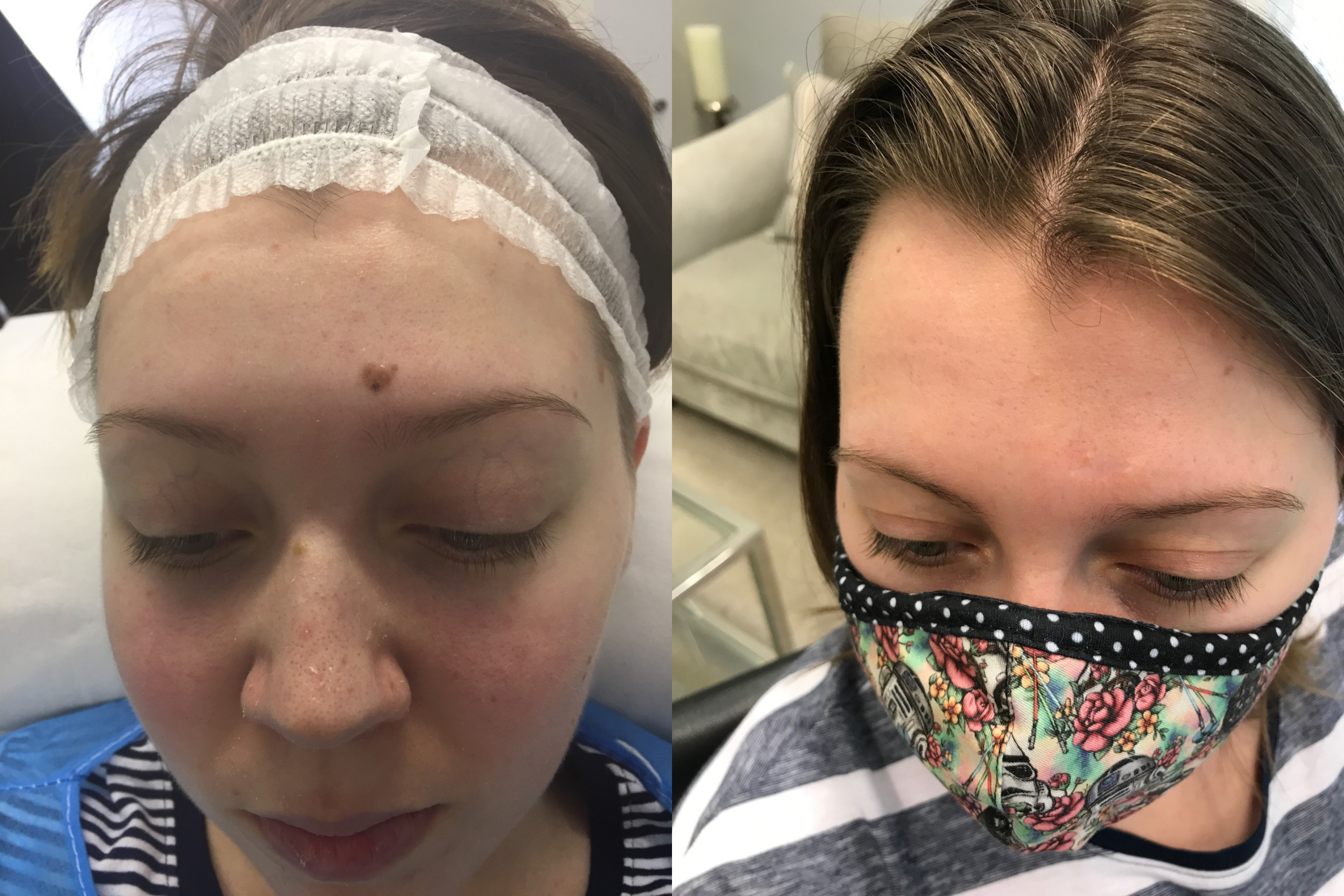
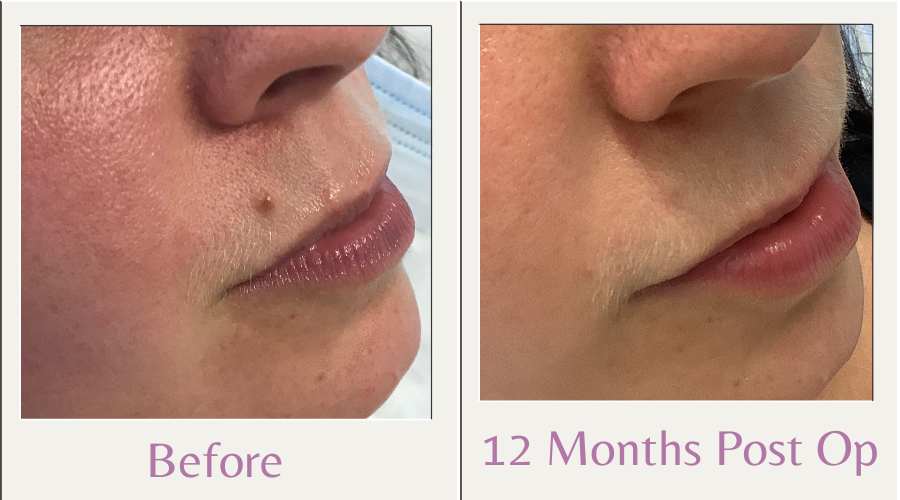
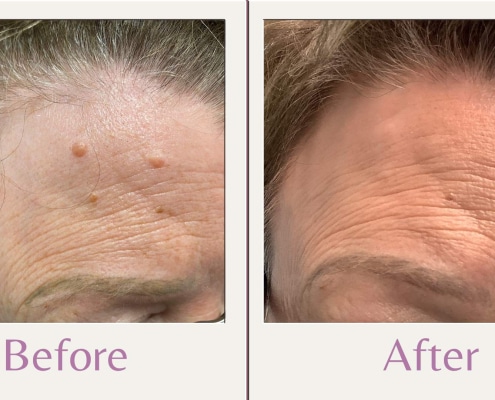
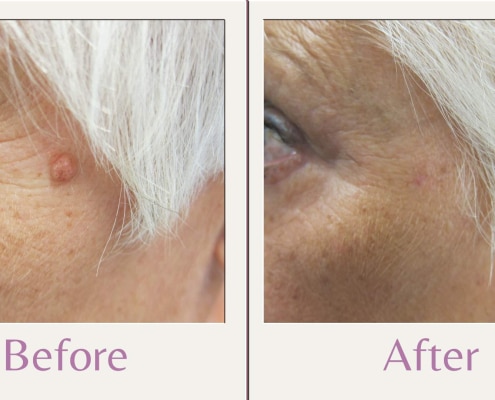
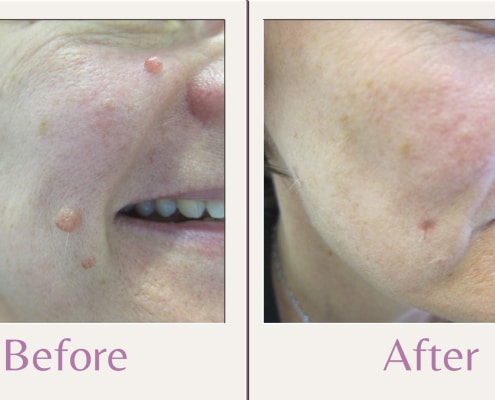
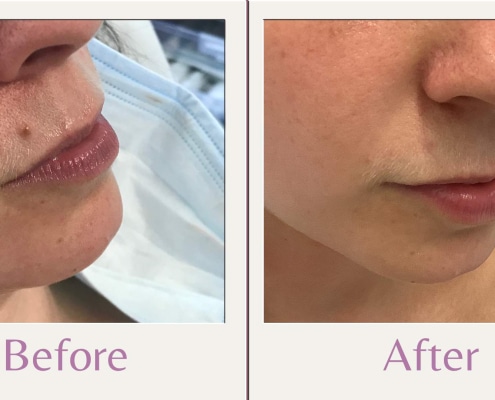
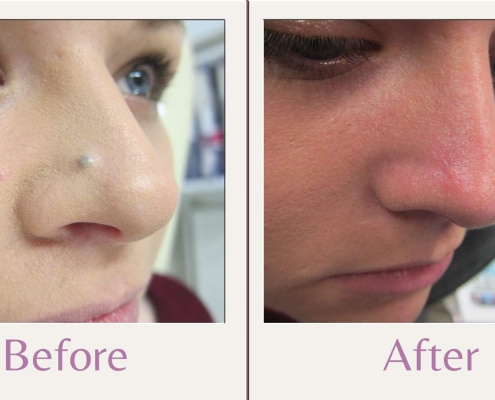
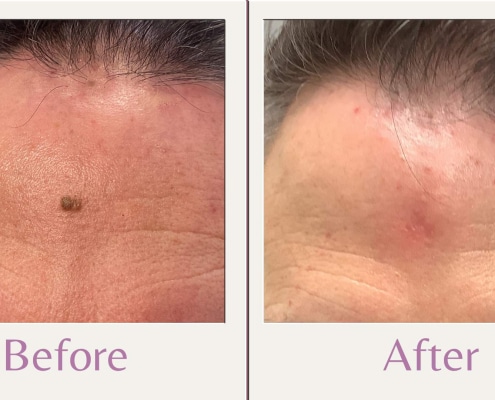
Visit our Mole Removal page for further information and to make a booking.



#askjj
Read Jonathan's book now!
Jonathan is on a one man crusade to revolutionise the image of cosmetic surgery and is passionate about spreading his message about cosmetic surgery training.