



Effective Methods for Safe Mole Removal
Effective Methods for Safe Mole Removal
We all have spots on our skin, but treating a mole like a stray hair often leads to regret. While the internet is full of “quick fix” at-home kits, these DIY methods frequently result in deep, permanent scarring or serious infection. Without sterile tools and expertise, you risk turning a minor annoyance into a lasting blemish.
More importantly, professional removal offers the one thing a mirror check cannot: certainty. We often act as a “skin detective,” ensuring that what looks like a simple beauty mark isn’t actually something more serious. By performing a biopsy—a standard safety check where cells are analysed under a microscope—we can confirm your skin is healthy, giving you peace of mind along with a smoother complexion.
Master the ABCDE Method to Spot Warning Signs
While most moles remain harmless clusters of pigment, knowing the difference between a beauty mark and a warning sign is crucial. We recommend using the “ABCDE” method during monthly self-exams to identify atypical moles that don’t follow normal growth rules.
- Asymmetry: One half of the spot does not match the other.
- Border: Edges appear jagged, blurred, or uneven rather than smooth.
- Colour: The mole contains multiple shades of tan, brown, black, or red.
- Diameter: The spot is larger than a pencil eraser (about 6mm).
- Evolving: The mole changes in size, shape, or colour over time.
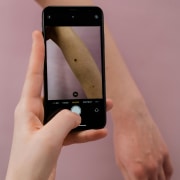
Among these ABCDE melanoma warning signs, evolution is often the most critical; a mole that changes texture or starts itching requires professional attention regardless of how it looked previously. If you spot these red flags, you should get your mole looked at to ensure peace of mind. The first port of call is to visit your GP, or you can send us a photo of your mole and one of our plastic surgeons can give you an opinion. Once a we confirm a removal is necessary, the next step is determining the best method for your specific skin type and the mole’s depth.

Laser vs. Surgical Excision: Choosing the Right Technique for Your Skin
When planning a removal, the primary decision factor is whether the spot requires lab testing. While laser vs surgical excision is a common debate for patients seeking cosmetic results, lasers essentially vaporise the pigment cells. This makes it impossible to send a sample to a lab for cancer screening, so lasers are generally reserved for small, flat, clearly benign spots. If we suspect even a slight irregularity based on your ABCDE check, we will insist on a surgical method to ensure the tissue can be examined under a microscope.
For confirmed non-cancerous bumps that catch on clothing or jewellery, we typically prefer a shave excision. Think of this as levelling the surface of a table; we use a sharp blade to slice the mole flush with the surrounding skin. This method usually requires no stitches and is excellent for raised moles. However, for flat or deep moles, a full surgical excision is necessary. This involves cutting out the entire mole, including the “roots” beneath the skin surface, and closing the opening with stitches to ensure the it doesn’t grow back.
The three main techniques differ regarding best use cases and recovery:
- Laser Removal: Best for small, flat cosmetic spots. No sample for testing. Minimal downtime but risk of pigment returning.
- Shave Excision: Best for raised, benign moles. Heals like a deep graze over 1–2 weeks. Shave excision recovery time is generally fast with minimal scarring.
- Surgical Excision: Best for flat, deep, or suspicious moles. Requires stitches. Recovery takes 1–2 weeks with a linear scar that fades over time.
Understanding the trade-off between depth and healing time helps manage your expectations for the final cosmetic result. Once you and your doctor have settled on the right method, your focus shifts to what physically happens in the chair, specifically regarding numbing and pain management.
What to Expect During the Procedure: Pain Management and Biopsies
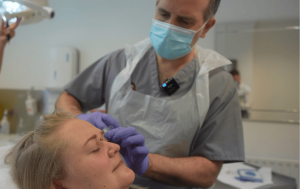
The actual appointment for a mole removal is surprisingly brief, often lasting less than twenty minutes from start to finish. Your comfort is the immediate priority, so the we will begin by injecting local anaesthesia for minor skin procedures directly around the site. While the initial poke and a brief stinging sensation are normal, the area will become numb within seconds, ensuring you feel pressure rather than pain while we work. This localised numbing allows you to remain awake and drive yourself home immediately afterward, turning what feels like a medical surgery into a manageable errand.
Once the tissue is removed, it undergoes a crucial safety check called histopathology. Patients often worry if a skin lesion biopsy is painful, but since the biopsy is simply the removed tissue being sent to a lab, the physical part is already over. Regardless of the specific types of biopsy for skin lesions performed, a pathologist examines the cells under a microscope to confirm they are benign, typically returning results within seven to fourteen days. With the spot gone and the lab work processing, your focus can shift entirely to the healing process and preventing unnecessary marks.
Managing Post-Procedure Care for Minimal Scarring
While old wisdom suggested letting a wound “breathe” to form a hard scab, dermatologists now agree that managing post-procedural wound care relies on keeping the area moist. Applying a thin layer of petroleum jelly and keeping the spot covered prevents a dry, crusty scab from forming. This allows new skin cells to migrate across the wound faster and significantly reduces the visibility of the final mark.
While minor tenderness is normal once the anaesthesia wears off, knowing when to call us is a critical safety step. You should watch closely for the specific signs of infected skin procedure site, which include spreading redness that feels hot to the touch, throbbing pain that worsens after the first day, or yellowish discharge. Catching these symptoms early ensures that a simple infection doesn’t deepen the wound or complicate the aesthetic outcome.
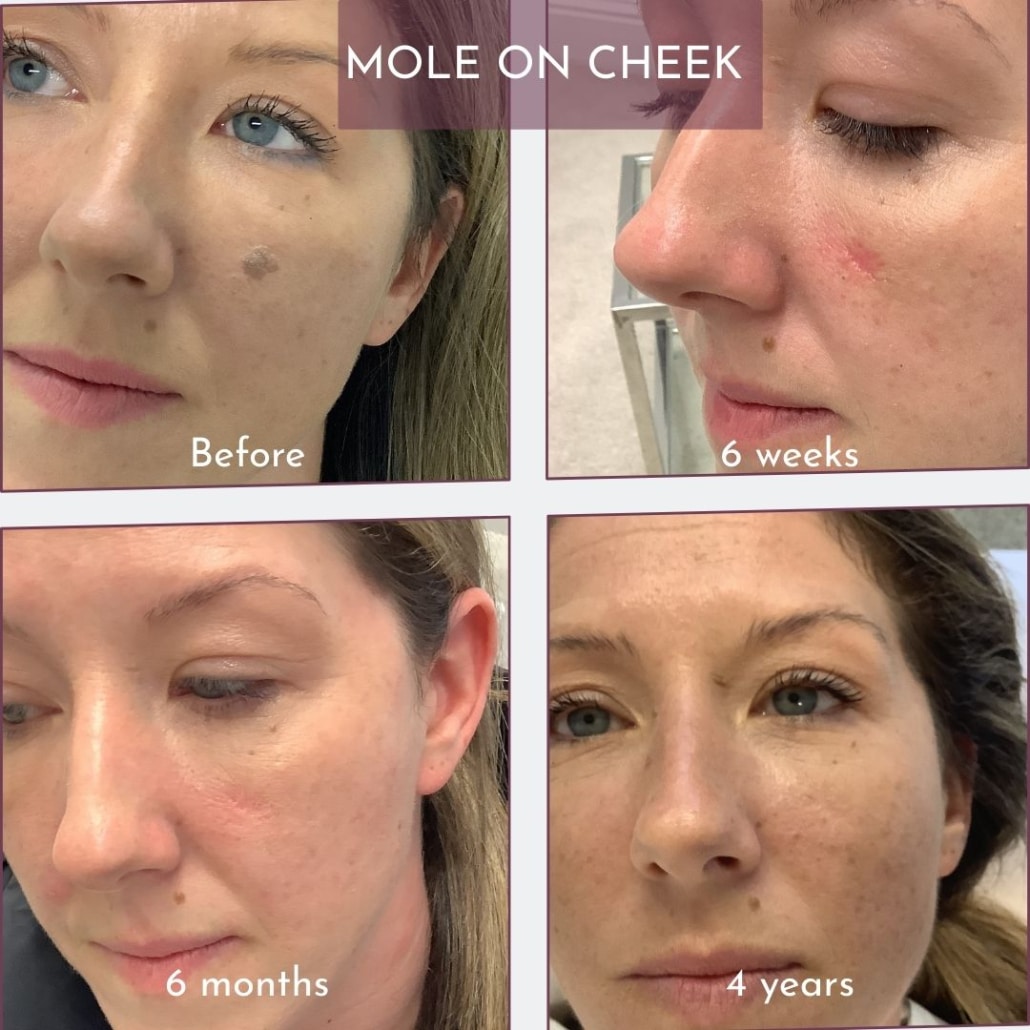
Most routine removal sites heal sufficiently within one to two weeks, leaving behind a pinkish area that fades gradually. Minimising scars after skin surgery requires patience, as it takes weeks and months for the scar tissue to organise and the redness and firmness to fade. With the physical recovery underway, the final practical consideration involves the financial aspect of the treatment.
Budgeting for Your Skin Health: Costs and Insurance Coverage
Understanding the mole removal cost hinges on medical necessity. The NHS or insurance companies typically cover removal if a spot is suspicious, bleeding, or physically irritated, classifying it as a health requirement. However, removing a benign spot strictly for appearance is generally an out-of-pocket expense, where the cost of professional procedures ranges from £300 to £2,000 depending on the method used and number of moles removed.
To prevent surprise bills, make sure you know what is included when comparing prices:
- are all of the consultations included, especially if you have concerns and need extra appointments?
- is histological analysis of your mole included in the price?
- how long does the aftercare last and are all dressings included?
- what if you have a problem or need further surgery, is this included?
At The STAIANO Clinic we offer a fixed price package where we will give you a quote that offers complete peace of mind as we will let you know how much it will cost upfront so that you can move smoothly into your final action plan without worrying about unexpected invoices.
Your 3-Step Action Plan for Clearer, Safer Skin
You no longer need to analyse that spot in the mirror with uncertainty. Knowing what to expect transforms the idea of mole removal from a source of anxiety into a routine health decision. You now have the vocabulary to advocate for your comfort and the foresight to manage your recovery, putting you back in control of your skin’s appearance and safety.
Turn this new confidence into a lasting habit by making SPF a non-negotiable part of your morning routine. True skin health isn’t just about addressing a specific concern; it’s about the peace of mind that comes from proactively protecting the skin you live in every day.
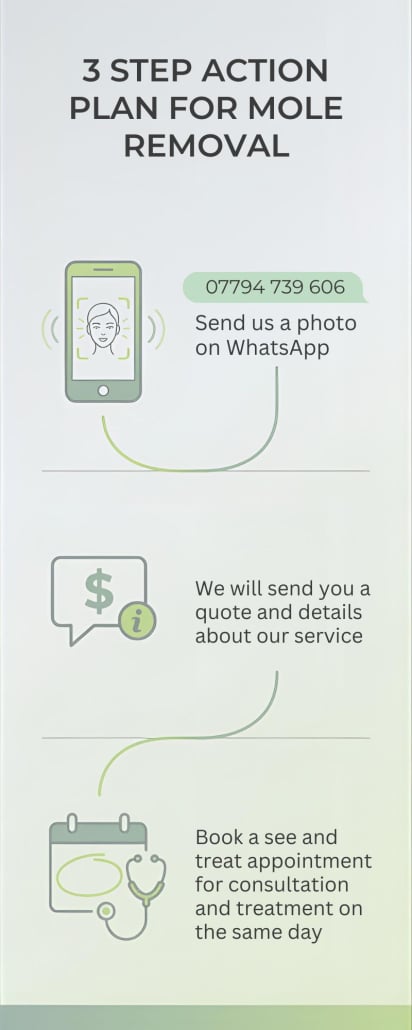
If you have a mole you are concerned about, follow our 3-step action plan for mole removal.
You can visit our Mole Removal page with more information and to book your appointment.