




Why Does Gynaecomastia Surgery Cost So Much?

When it comes to gynaecomastia surgery cost, we do have a price range

I am very keen that we are transparent with our fees here at the STAIANO Clinic and I do not want patients to feel like there will be lots of add-ons or hidden costs.

For that reason we only ever charge for the initial consultation and make it clear that we will never charge for a follow up consultation whether it is before or after the surgery.

Gynaecomastia Surgery Cost

When it comes to the cost of gynaecomastia surgery, we do quote a ‘from‘ price and I know that this makes some people suspicious, but the vast majority of patients will be paying the baseline price.

REQUEST A PRICE FOR GYNAECOMASTIA CORRECTION

The reason we have a ‘from’ price is because the more severe cases of gynaecomastia may be more expensive.

The treatment of gynaecomastia is aimed at targeting the three areas that can be affected:

  1. Fatty tissue.
  2. Glandular (breast) tissue.
  3. The skin.

Each of these areas are targeted separately.

1. Fatty tissue

The fatty tissue can be targeted with liposuction and this allows the contour of the chest to be improved through very small stab incisions as seen in the example below:
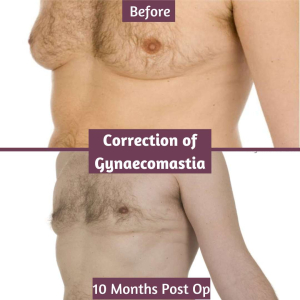
Gynaecomastia Correction

 2. Glandular tissue

In most cases there is some dense glandular tissue just behind the nipple which is not removed through liposuction and so a small incision is required on the edge of the areolae to remove this dense tissue.

The vast majority of cases of gynaecomastia can be treated through a combination of liposuction and excision and this is the price that we quote when people enquire.

The patient below is shown 6 months after having liposuction and excision of gynaecomastia:
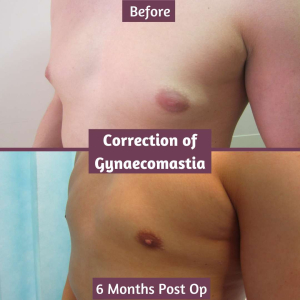
Gynaecomastia Correction

3. The Skin

The reason there is a ‘from’ price is because some cases require skin excision and this is a much more involved (and expensive) undertaking.

If there is only mild excess, then by removing the fatty and glandular tissue the skin may recoil and may not need to be removed, particularly if you have good quality skin, as is the case in young patients who do not smoke.

However, in cases of significant skin excess the skin may need to be removed in order to give an acceptable chest contour.

Not only does this create extra scarring, but it is a bigger operation with more potential for wound healing problems, and so is more expensive.

The patient below had excision of the skin excess as well as removal of the gynaecomastia:
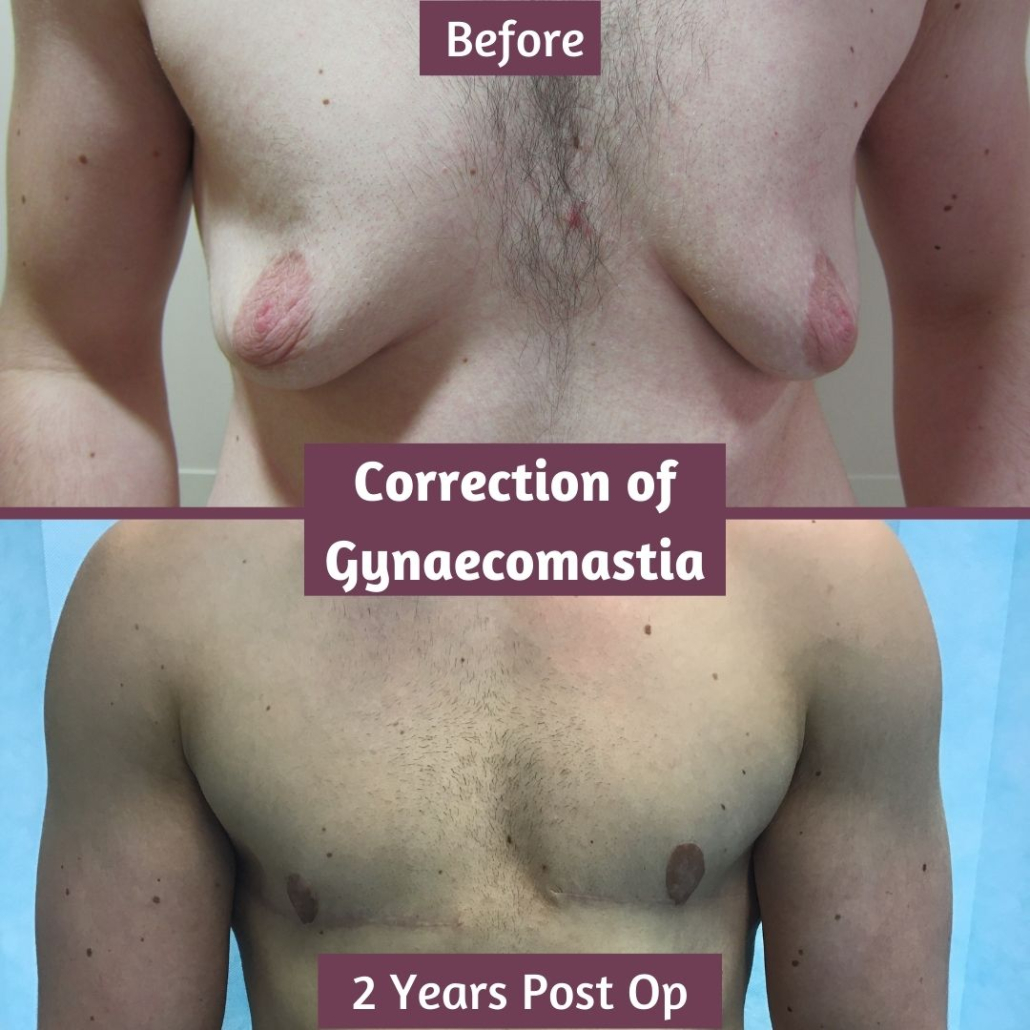
before and after gynaecomastia 2 years

It is only really by examining you and talking you through all the options that we will know what will be the best option for you, which is why whenever we quote, we give the price for liposuction and excision which will suit the majority of patients.

Once you have been to the clinic and we have had the chance to meet and examine you and talk through your goals and wishes, then we can provide you with an accurate quote which will include our complete aftercare package, and the opportunity to come back to the clinic to go over things as often as you like.

And remember we have our satisfaction guarantee

…which means that if we have been unable to help you then we would be more than happy to refund the full consultation fee.

You can find out more on our gynaecomastia page, or you can download our guide , e-mail us or call us.

For further information please feel free to contact us or you can ask our director, Jonathan Staiano, a question LIVE on Facebook at 7 o’clock every Tuesday evening, so feel free to drop in.

REQUEST A PRICE FOR GYNAECOMASTIA CORRECTION

Subscribe To My Blog

When is a Lifetime Warranty not a Lifetime Warranty?

When is a Lifetime Warranty not a Lifetime Warranty?

 It is really important to be informed about what sort of cover you have got if you thinking of having cosmetic surgery and all too often people assume that they are covered, particularly if they see headlines such as lifetime warranty or ten year guarantee

because you need to ask exactly what is covered in that guarantee.

You often find that breast implants have a lifetime guarantee, but it is just the implant that is guaranteed.
This means that if there is a problem with the implant they will give you a new one, but it does not cover the costs associated with surgery which can be significant.
They usually require the implant to be returned to the factory so it can be analysed to check there was a manufacturing defect that caused the problem with the implant (which would usually be a rupture) and then it may be that they will only supply a like for like replacement and so if you wanted to have a bigger or smaller implant that may not be covered, and certainly if you wanted to have a different make of implants then the warranty would be useless.
The question also comes as to whether they will cover surgery for the other side, because if you have had an implant problem with one of your implants, you may choose to have both changed but they may or may not cover replacement of the opposite breast implant.
All the manufacturers vary and some will allow you to change the opposite implant and they may allow you to have a different size, although it may be limited to just one size bigger or smaller.
Most implants are guaranteed for rupture but what about other problems such as capsular contracture?

Some companies such as Nagor do cover for capsular contracture, whereas others do not.

On the other hand, some companies will give you money towards the cost of revision surgery, for instance Allergan, although it does need the implant to be analysed and to be shown to have a manufacturer defect and the rupture needs to occur within ten years of implantation.
POLYTECH who make the polyurethane foam implants also offer an extended warranty through their distributor Q Medical.
This offers two years of cover where they will pay money towards the hospital costs if you were to require revision surgery and this is an insurance backed scheme which is automatically taken out for everybody who has these implants.
This can be welcomed because private hospitals have their own time periods for allowing revision surgery free of charge, but this is often six months to one year.
It is important to be clear what is covered in these policies of revision that is usually a problem such as malposition, seroma, or infection.
If it is a purely cosmetic problem in that the implants are too big or too small, then cover will not be provided and so you need to make sure that you are completely comfortable with the implant choice before having surgery.

This is one of the reasons we encourage our patients to come back to the clinic as often as needed before having to finalise the implant choice.

If you would like breast implants then you really need to think that there may well be further surgery required and the likelihood is the cost of that further surgery will not be completely covered by any guarantee or warranty provided.
For this reason, you should budget for the potential for further surgery and make sure you are fully informed before going ahead.

[button color=’#ffffff’ border_color=’transparent’ background=’#683a4f’ icon=” type=’classic’ size=’large’ radius=’0px’ link=’https://oy210.infusionsoft.com/app/form/3c4eff171839ea6f0c0949213f2363fd’ newwindow=’true’ ]Click here to download our free guide with FAQs about Breast Implants[/button]

For further information please feel free to contact us or you can ask our director, Jonathan Staiano, a question LIVE on Facebook at 7 o’clock every Tuesday evening, so feel free to drop in.

Treatment for Breast Asymmetry

Treatment for breast asymmetry

 
All patients have a degree of breast asymmetry to a greater or lesser extent and when performing a breast reduction or a breast augmentation it is often possible to correct minor degrees of asymmetry, but we always warn people that there will be some residual asymmetries as it is quite natural to have differences between the two halves of our body.

It is cases of severe breast asymmetry that can pose a challenge and often require a little more thought and planning.

The first question to ask if you have a breast asymmetry, is whether you are happy with one of your breasts.

If you are happy with one of your breasts then it might be possible to just operate on one side to try and make that breast look like your ‘good’ breast.
If you are unhappy with both your breasts, then you may need surgery on both sides.

The next question is whether it is the size or the shape, or both the size and the shape that you are unhappy with.

If it is just the size that you are unhappy with and both breasts are of an acceptable shape, then it will be possible to make the big one smaller by doing a breast reduction or the small one bigger by using breast implants and sometimes and combination of these is required.

Breast implants are very effective at increasing the size of the breasts and although they come in a variety of different shapes and profiles, they do not have a dramatic effect on the shape of the breast.
If it is the shape that you are unhappy with, then your best option would be a breast lift (or a breast reduction if you wanted your breasts to be smaller).

As you can see, surgery for breast asymmetry can often be complex involving a variety of techniques including breast implants which often have to be of different shapes and profiles to give different effects to each breast, breast lifts, and breast reductions.

Whenever different surgery is done to each breast there is a risk that as you age, the breasts will settle differently.

If one breast is smaller and has an implant in, but the other side does not have an implant, then it is likely to be more pert and have a fuller look than the opposite side which is made up of breast tissue, because breast tissue will naturally droop or sag as the years pass.

This is where conversations come in where some patients might want a reduction of a bigger breast to match the volume of the smaller one and then to have the same size implants put into both so that they age in a similar way.

However, this then does bring in the complications associated with implants into a breast that may not have needed them.  It is swings and roundabouts.

Plastic surgery is really an art more than a science

and so there is often no easy answers in these situations and it requires a full and frank discussion with your surgeon.

You need to spend time exploring all of your options and will often have to accept that there will be a degree of asymmetry whatever surgery you have.

The aim of surgery is usually to restore symmetry as best as possible to make you balanced while wearing clothes and sometimes out of clothes you will still see some asymmetries and these are often magnified because you have lived with a more significant symmetry in the past.

I think it is important to realise at the beginning that all patients have a breast asymmetry to some degree, so it is usually a case of bringing it back into normal limits rather than achieving perfect symmetry.
We look at the consultation as a partnership between us and you and while we will help and guide you through the process, we will always aim to come to a mutual decision as to what might be the best option for you.

Don’t worry if this does not come in the first consultation.

It often takes two, three, or more consultations before you come up with a clear plan and that is why we only charge for the initial consultation because we want you to feel that you can come back as often as you need to go over things and make sure that you are happy with the plan.

As ever, it is always important to wait until your breasts have stopped developing so ideally you should wait until you are at least 18 before having surgery for breast asymmetry and you should also be happy and stable with your weight before having your breast asymmetry corrected.
You will need to be aware that as time goes on, particularly if you put on weight or have children, your breasts can change and so we always offer all our patients unlimited follow ups in the future because we know that life can be unpredictable.

For more information please download one of my guides and if you would like to arrange a consultation with us, the only plastic surgery clinic in the UK that specialises in breast surgery, call us now to arrange a consultation so that we can go over all of the possible options.

When Does A Puffy Nipple Become Gynecomastia?

Gynecomastia is common.

Sometimes we get asked by journalists about gynecomastia and whether cosmetic surgery for men is on the increase.
We specialise in cosmetic breast surgery and the majority of our male patients are gynecomastia patients.
I have to say I have not noticed any significant rise in this surgery as it has always been quite popular.

I think the main thing is that men do not tend to talk about it.

Men who are conscious about their chest think that it is unusual and are embarrassed to confront the problem.
You see, when a woman has breast surgery they are quite happy to freely talk about it and are much more open in discussing their concerns and anxieties about the shape of their breasts.

However, it would not be common for a group of men to openly discuss the size of their breasts over a pint.

When we were approached by one of the morning TV chat shows for a case study of a man who had had gynecomastia correction, it was very hard to find someone who would agree to go on camera.
When we spoke to our patients and they were all delighted with the results and felt their lives had been changed.
They would like the world to know that the problem is not rare or unusual and can be treated successfully.
However, when it comes to appearing on television or even in a magazine, they quite understandably do not want to be identified.
It would be embarrassing in the workplace and among their friends and I completely understand this.
There is a lot of mystery around whether it is actually gynecomastia or not.
We get many enquiries from patients who feel that they have got large nipples or puffy nipples but when it actually comes down to it, it is actually gynecomastia correction that they need rather than a nipple reduction or areola reduction.
Gynecomastia is simply an excess of male breast tissue.

What is Gynecomastia?


All men have got breasts and if you look at the physique of a well-toned bodybuilder you can clearly see the definition in the chest area.
It is very subjective as to when a puffy nipple becomes gynecomastia and it is really dictated by when it bothers a person
If you are bothered by it and it is something that can be treated, then it might be worth treating.
On the other hand you see many people on the beach who may have excess breast tissue but if it does not bother them, that is great and there is absolutely no need for treatment.

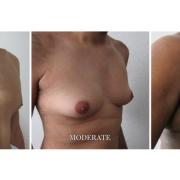
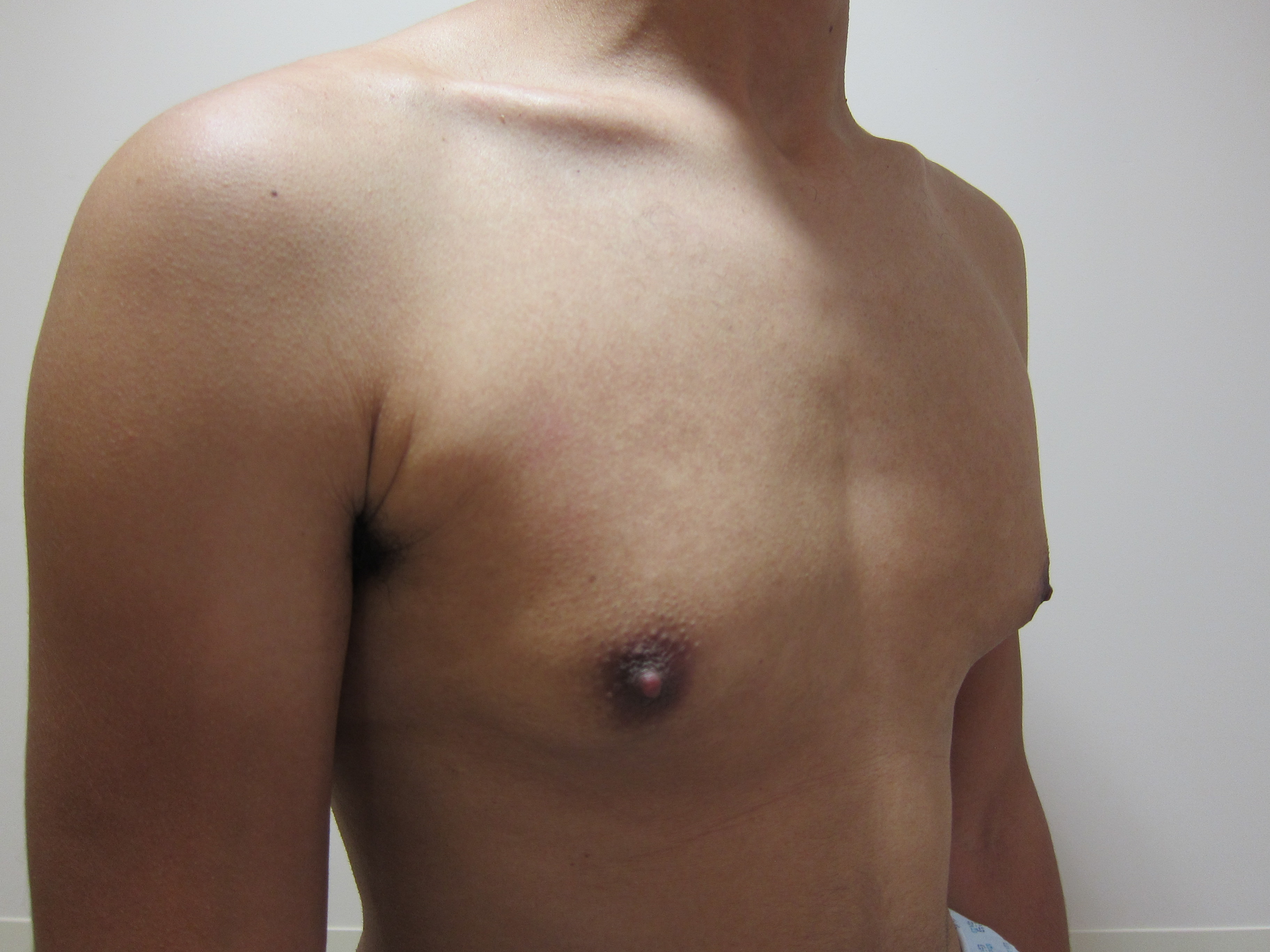
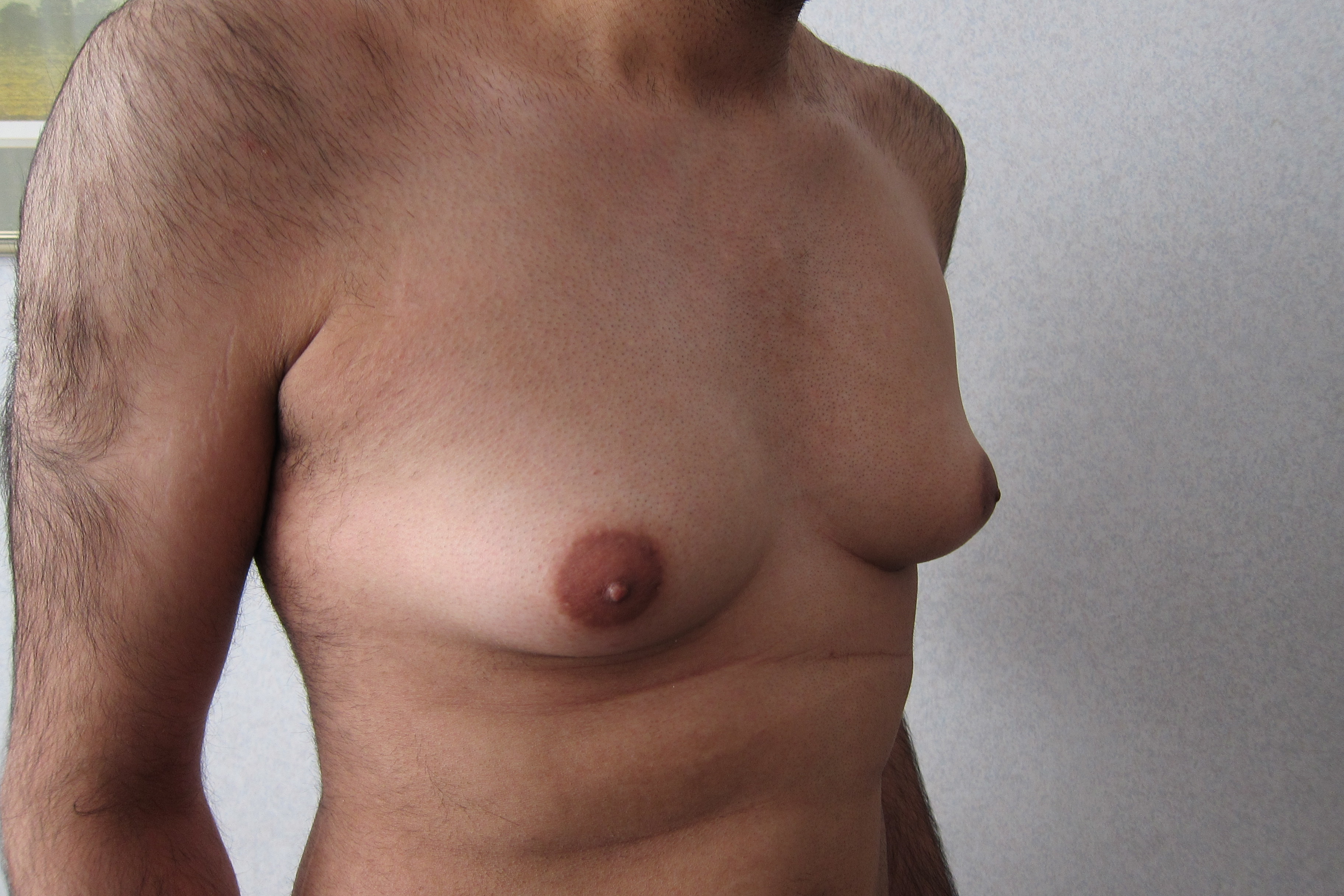
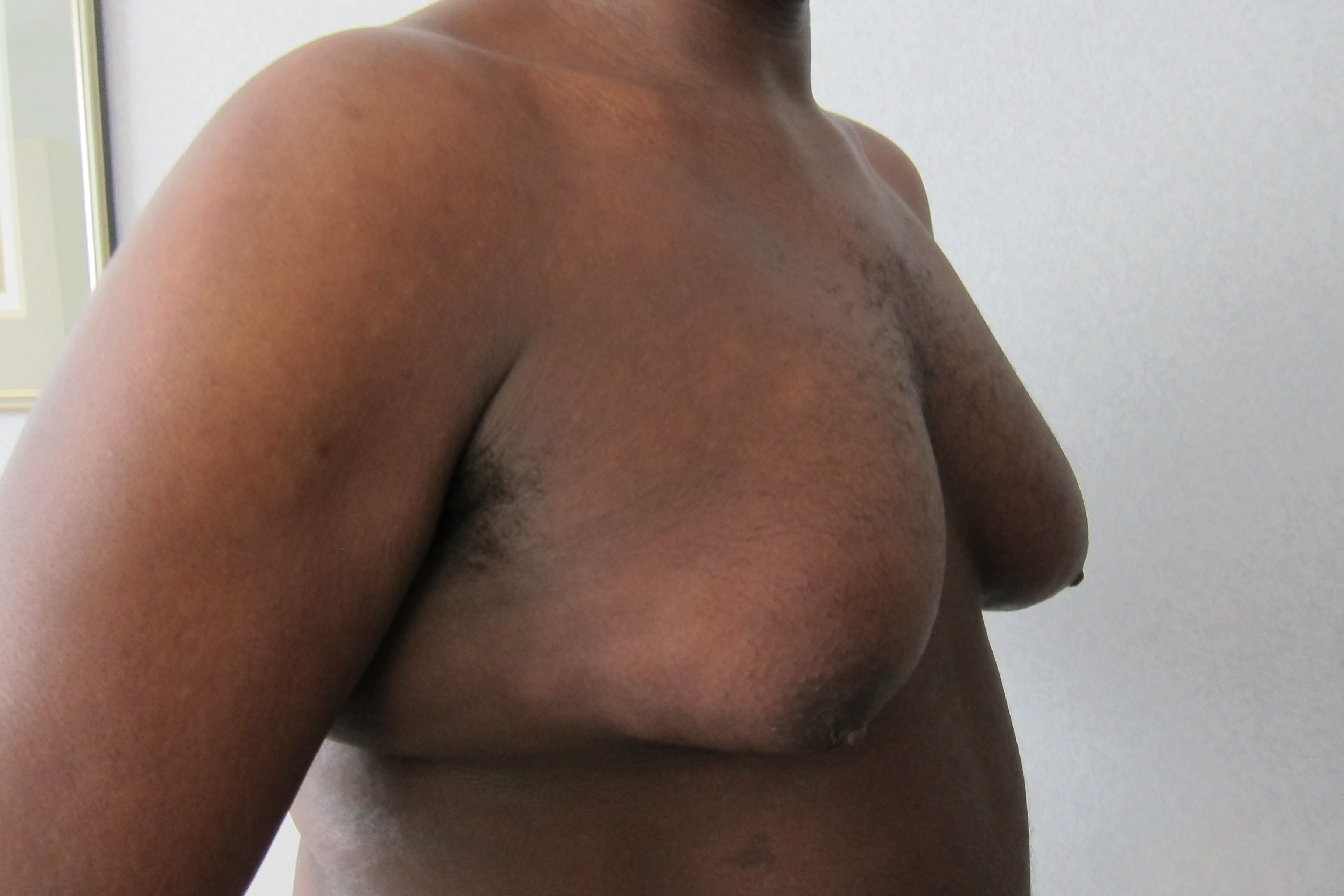
Types of Gynecomastia

Mild Gynecomastia

Mild Gynecomastia

Moderate Gynecomastia

Moderate Gynecomastia

Severe Gynecomastia

Severe Gynecomastia

The first thing with any patient with gynecomastia is for them to be at their ideal weight as this can help the problem.
There are certain medical conditions that can cause or exacerbate this condition and it is helpful to be checked out by your GP to ensure there is no underlying cause.
The majority of cases are idiopathic, meaning that there is no cause.

It doesn’t matter what you call it –

if you are embarrassed or unhappy with the shape of your chest, we may be able to help

It doesn’t really matter what you call it – gynecomastia, man boobs, puffy or large nipples, if you are troubled by the shape of your chest, then you can come and have a chat with one of our surgeons to see if anything can be done about it.
There are a variety of treatments available and you can read about ‘why gynecomastia surgery costs so much’ here.
We have perfected techniques that allow your gynecomastia to be corrected without leaving any visible scars and you can watch our video where our director, Jonathan Staiano, talks in more detail about this.
If you want to talk to someone, we have a lot of happy patients who would be more than happy to give you a ring to talk about their experience.
So drop us a line and we would be more than happy to see if we can help.
You can call us on 0121-454 3680 or send us an email.
And you can read more about Gynecomastia here

Request Prices For Gynecomastia Correction

Subscribe To My Blog

Dual plane breast augmentation “ fantastic compromise or marketing gimmick?

Dual Plane Breast Augmentation

One part of the consultation for patients considering breast augmentation is whether to have the implant on top of or underneath the muscle.

Unfortunately there is an awful lot of hype around cosmetic surgery

…particularly breast implants and I will often hear patients say to me they have heard that on top of the muscle is better or that under the muscle is more natural.

It is not really possible to make these sweeping comments, because the fact of the matter is there are good things and bad things about both.
You need to weigh up the pros and cons and take into account your body type and physique and your lifestyle and hobbies, so that you can come to a balanced and informed decision as to what might be right for you.

Sometimes patients will come to the clinic torn between whether to have them on top of or behind the muscle and they are delighted when they hear about the dual plane technique, but surely this is a compromise between the two with all of the benefits of both.

If someone tells you that one way is the best way to do something or if one type of implant is the best implant, when there are lots of other options available I would advise caution in listening to that advice, because if one was the best, then surely there would be no need for all of the others.

I understand that sometimes it is easier to explain things in terms of what we might recommend, but we should really be giving patients all of the available options to empower them to make the decision as to what might be right.

Broadly speaking, implants can either go on top of the muscle or under the muscle.

There are nuances with both planes, but I do not think the average patient needs to get too worried about the specifics. When they go on top of the muscle they can in either be in a subglandular or a subfascial plane and under the muscle can be a dual plane type I, II, or III.

When I teach and lecture plastic surgeons it is not uncommon for trainees to stand up and be unsure about the exact differences between dual plane type I, II, and III, so it is not something I would expect the average patient to know much about.

The important thing is that all submuscular breast implants are in a dual plane

So in terms of cosmetic breast surgery you can use the term submuscular interchangeably with a dual plane technique.

When the implants are placed under the muscle, it is the pectoralis muscle that is used, but this just covers the upper inner part of the implant. The lower outer part of the implant is only ever covered by breast tissue and so there is always a dual plane.

It is possible to put an implant in a total submuscular plane, but this is only used in breast reconstruction when there is no breast tissue to cover the implant, and so other muscles surrounding the pectoralis major muscle are raised and used to get complete muscle coverage, but this is not a technique that is ever used in cosmetic breast surgery.

The dual plane technique and the different types of dual plane are very useful to the plastic surgeon and the types I, II, and III refer to the amount of subglandular dissection that is performed.

For instance, a type III technique involves making a plane on top of the pectoralis major muscle and freeing the breast off the muscle.
This allows it to hang and sit with the implant in cases where patients have a droop or a sag to their breasts, and the dual plane type III is often the most challenging group of patients. A dual plane type I has got only a limited dissection of the breast tissue off the muscle and is what would be referred to as the classical submuscular plane. Whereas dual plane type II is in between the two.

Therefore, I am sorry to say that dual plane is not a compromise between submuscular and subglandular, it is simply submuscular but called by another name. I am not for a moment suggesting that the dual plane technique is a marketing gimmick because it is a very useful technique and is very well established.

However, I do sometimes hear it being used as if it is somehow better than submuscular because it is in ‘a dual plane’ which somehow sounds better.

Alas it is simply the use of terminology and it remains for you to weigh up the pros and cons of the dual plane or submuscular pocket compared to the subfascial or subglandular pocket.
By all means do your research and ask as many questions as you can think of to help you make a decision about whether you should have your implants on top of or behind the muscle, but do not be blinded or seduced by terminology or a slick sales technique that suggests that one is somehow better than the other.

If you have any questions I am on Facebook live every Tuesday at 7 pm but you can comment on the blog below, or e-mail us.

If you would like a guide on frequently asked questions about breast implants, you can download one below.

Our phone number is 0121 454 3680 and we would always love to hear from you.

BREAST IMPLANTS – YOUR QUESTIONS ANSWERED

Read more about Breast Augmentation here

Breast Implants & Pregnancy

Have you had breast implants and have now become pregnant?

Or are you thinking about getting breast implants and worried what the effect of pregnancy might have?

Then you are in the right place! Our consultant plastic surgeon Jonathan Staiano has done a vlog to discuss the impact of pregnancy on breast implants. It is nothing to worry about if you do get pregnant once you have implants but it is definitely something to consider before having breast implants as pregnancy does change the breasts.
You can find out more about this here.

If you would like any more information on breast implants you can download our guide here or you can visit our webpage dedicated to implants, which contains before and after pictures, testimonials and further information. You can also call us on 0121 454 3680 or email on [email protected]

Do I Need A Mastopexy To Make My Breasts More Perky?

Do I Need A Mastopexy?

A mastopexy is a great way to reshape the breasts but when it comes to achieving a good outcome, it is important for us to communicate what might be possible so that we can align our goals.
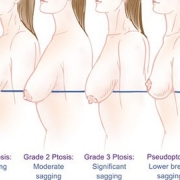
Over time the shape of the breasts can change and these changes can be accelerated by having children or losing weight, resulting in a droopy or saggy appearance to the breasts.
Many patients want to achieve a more perky appearance to rejuvenate the breast contour.
The reasons that breasts lose their perkiness is because the skin gradually stretches.
This happens over time in all of us because of the effect of gravity.

The Alternative To Mastopexy

It is not possible to give elasticity back into the skin, and so there are two options to combat the problem.

  1.  To remove the extra skin and tighten the breast.
  2. To add volume to the breast to fill the skin envelope and tighten the skin.

So for this reason, patients often wonder whether it is a mastopexy they need or breast implants; with a mastopexy doing the former, and implants the latter.

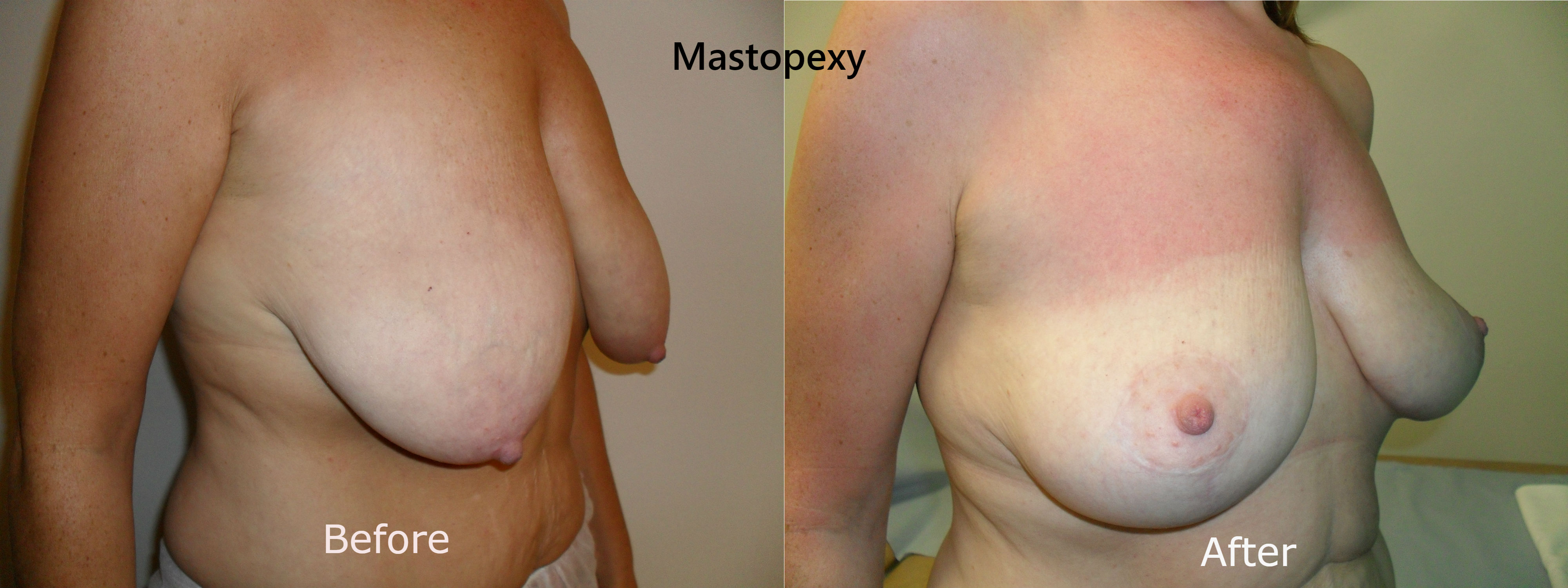
Mastopexy

Option 1: Mastopexy to remove the skin and tighten the breast

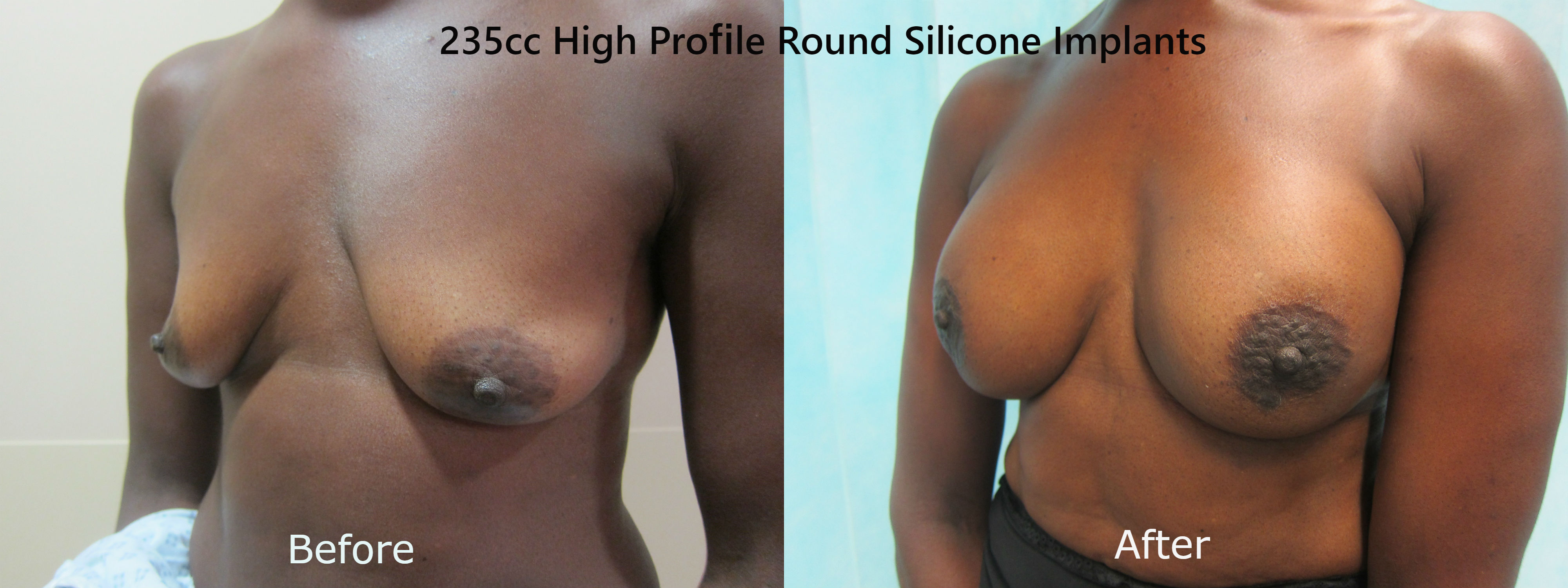
Breast Implants instead of mastopexy

Option 2: Breast Implants to fill the skin (without a mastopexy)

The main difference is the size of the resulting breasts and that will be about the same size after a mastopexy, but bigger after implants.

So it depends on how big you want your breasts to be.

If you want the breasts to be the same size as they are or smaller, then it is a mastopexy or a breast reduction that would restore the perkiness, but if you wanted them to be bigger, then implants might be all that is required.
However, if the breasts have sagged significantly, implants might not be able to fill the skin envelope enough and you may need to combine it with a mastopexy.  You can read more about a mastopexy combined with implants here.
Often if restoring the breasts to a more perky shape is the primary goal, then a mastopexy on its own is the best option. 

The Limitation Of Mastopexy

You will need to be prepared for the sort of shape that you can achieve with a mastopexy.
We always stress that gravity will continue to operate on the breast and so it tends to settle to a more natural shape without the round and full look that is associated with breast implants.
The problem comes when people want the rounded look and do not want to be bigger, because sometimes you may consider having implants just to achieve this look.
This is an option, but does carry with it the potential complications and limitations associated with implants.
This is why an in-depth consultation is always advisory, so that you can discuss your aims and objectives with your surgeon to see if a mastopexy would be suitable for you.
We can discuss whether the shape you could achieve, which can often be quite transformational to the breast, will be in line with what your goals are.
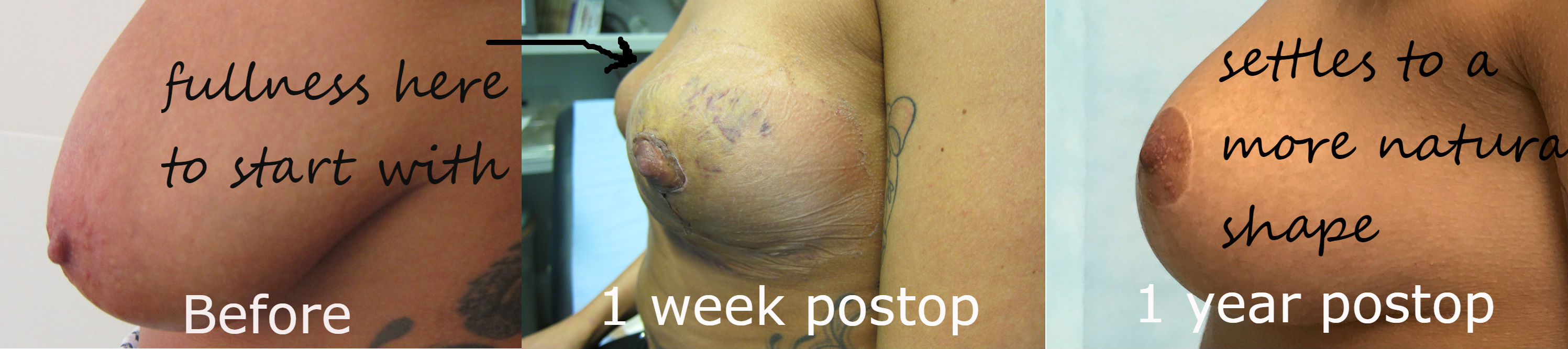
When you have a mastopexy, there will be a full and rounded look in the upper part of your breast to start off with, but over time they will settle to a more natural shape.

Mastopexy settling

After mastopexy, the fullness in the upper part of the breast settles into the lower part of the breast

Our primary goal is to have a happy patient and a happy patient is one who knows what to expect and can make an informed decision as to what might be the right operation for them.
We will not dictate to you what surgery you should have, and we will always inform you of what likely outcome you can reasonably achieve.
There is never any obligation to proceed.
If you have any concerns or doubts, then it is always best to go away and think about things and consider what surgery might be the best for you.
If you would like to come to the clinic for a chat, you can email or call us on 0121 454 3680.

For more information you can download one of our guides below:

Request Our Mastopexy Guide

Request Our Breast Augmentation Guide

Subscribe To My Blog Posts

Life After Breast Implant Removal

Are you thinking about breast implant removal?

If you are considering breast implant removal but are worried what your breasts might look like afterwards, you are not alone.
As your body and your circumstances change, you might find that the breast implants that you once loved, become uncomfortable and out of keeping with your frame.
There are many reasons that people want to have their implants removed or you may just be worried and think that your implants need to be changed.

When should you change your breast implants?

If you are concerned, then you can read my blog post about when you should change your breast implants here.
If you are considering breast implant removal, then you may have many questions about what would be involved and what you will do once your implants are removed.
The Staiano Clinic is the only clinic in the UK that specialises in cosmetic breast surgery and is owned and run by a Plastic Surgeon.

Should you have your implants replaced?

If you would like a consultation with one of our surgeons, then we can go over your options for breast implant removal and talk about whether you would need to have implants replaced, or whether you would be happy to be without implants.  If you are having your implants replaced, then you can think about whether you have implants of the same size, or if you have bigger or smaller implants.  It may be that all the options are feasible, but you will need to consider the consequences of changing the size of your implants.
You can read more about what to do if you are considering replacing your implants here.

Will I need a breast lift after implant removal?

If you are thinking of changing or removing your breast implants, then you might be concerned about how your breasts will look afterwards, or more specifically, will you need a breast lift after your implants are removed?
Jonathan speaks about whether you will need a breast lift after implant removal in this video and shows some examples of cases of breast implant removal with and without breast lift:

If you would like a copy of our Frequently Asked Questions Guides, please click the links below:

Breast Lift Frequently Asked Questions Guide

Breast Implants Frequently Asked Questions Guide

If you have any questions you can give us a call on 0121 454 3680 or email us at [email protected].

The Pros and Cons of Fat Grafting

The Pros and Cons of Fat Grafting

 I have recently seen a patient of mine in the clinic on whom I performed fat grafting to the calf.  She is a young lady who was born with a congenital defect of her ankle which meant that her left leg did not grow in the same way as her right leg and her calf and ankle were much thinner on the left side. We spoke about her options which were either to perform fat grafting or use an implant.  There can be particular problems with implants in the calf, particularly in terms of infection or being able to feel the edges of them and sometimes they can erode through the skin.
Of course, there are potential complications with any operation and there are complications with fat grafting too, but the main thing was that she was so young that the long-term durability of fat grafting is superior to implants and so we chose to go down this route.  She needed two operations spread over several months, but she has really got a fantastic result.  Her calf feels soft and supple just like the other side which is not surprising because once the fat is grafted it is normal fat.  The beauty of it is that it will change with you, so that if you put on or lose weight fat cells will get bigger or smaller just as they would have done if they had stayed in their donor site, (in this case her thighs).
I love the technique of fat grafting and you can produce really exceptional results, particularly when there is a 3-dimensional defect, because the fat can be laid down in a very careful and precise pattern.

Fat Grafting for cosmetic breast surgery

Clearly most of the work we do here at the clinic is in the breast and fat grafting for the breast is not as popular as you might think.Moving fat from one area and injecting it into the breast to enhance the volume without the need for silicone implants and all the potential long-term effects they can have is surely appealing.
But the main problem for cosmetic breast augmentation is that fat grafting only produces subtle results, and by definition most people who require breast augmentation are slim and so there is usually a limitation on the amount of fat that can be removed and this then has to be split between the two breasts.
I was privileged to be invited on the Faculty for the BAAPS 2017 Plastic Surgery Conference last week and was delighted to meet Foued Hamza who practices in Paris and London and presented his results of fat grafting in the breast.  He showed some really impressive results and also talked about the limitations that he has found during his extensive experience.  Like any surgical procedure the pros and cons need to be discussed with the patient so that we can make an informed decision together.
[video_player type=”youtube” style=”1″ dimensions=”560×315″ width=”560″ height=”315″ align=”center” margin_top=”0″ margin_bottom=”20″ ipad_color=”black”]aHR0cHM6Ly95b3V0dS5iZS85aGRCdTJSVkYyWQ==[/video_player]

The secret to getting a happy patient…

Is to have one whose expectations are aligned with what is feasible with the surgical technique being considered.  Certainly, there is no way that fat grafting can compete with implants when it comes to adding a predictable and significant volume to the breast.
The volume achievable is usually a cup size or less, and so the procedure often needs to be repeated and whilst it can sound appealing, the fact that it is harvested from the abdomen, buttocks or thighs, there is usually not a significant body contouring effect because fat harvesting is much gentler than traditional liposuction and so smaller volumes of fat are removed.
It can also be a bit uncomfortable where the fat is taken from, and there are risks of infection and fat necrosis or oil cysts, so this all needs to be put into the mix as to whether you think fat grafting to your breast might be right for you.
Because we are all specialists here at The Staiano Clinic we can talk to you about the pros and cons of each procedure and will not expect to have a ‘one size fits all’ approach.
If you would like to know more or have any questions please contact us at the Clinic, you can call us on 0121 454 3680 or email [email protected].

What Happens To My Nipples During A Breast Lift Or Breast Reduction?

What Happens To My Nipples During A Breast Lift Or Breast Reduction?

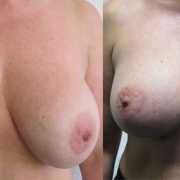
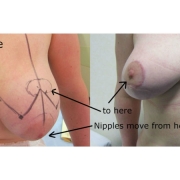
People often ask ‘What happens to my nipples during a breast lift or breast reduction?’.  It is commonly believed that the nipples are removed during a breast lift or breast reduction and then put back on at a higher place on the breast mound once the extra skin and volume from the lower part of the breast is reduced.
However, whilst this is certainly one of the recognised techniques for breast reduction, it is usually reserved for massive breast reductions and is not something that is commonly performed during one of the more standard breast reductions or breast lift procedures.
When the nipple is removed it is known as a free nipple graft and when doing this, there can be problems:

  • with healing of the nipple
  • often the nipple itself lacks projection
  • the pigmentation of the nipple skin may not be normal
  • and there is always altered sensation in the nipple.

For these reasons it is usually better to keep the nipple attached to the breast on what we call a pedicle which is a stalk of tissue which maintains a nerve and blood supply to the nipple and so gives a greater chance of it healing and having improved sensation compared to a free nipple graft.
However, there is still a risk of altered sensation and the possibility of healing problems even when a pedicle is used.
When performing the surgery, we cannot see the blood vessels and the nerves travelling in the pedicle and so we have to leave enough volume attached going to the nipple and hope that the blood supply and nerve supply is sufficient.
Similarly, there will be milk ducts in the pedicle and so you may be able to breastfeed following a breast lift or breast reduction; however, this is not guaranteed because of all the tissue around the pedicle is released and removed in order to allow the nipple to be moved into a higher position on the chest.
It can be a balance especially when doing a very big breast reduction between removing enough tissue from around the pedicle in order to give a significant reduction in the volume of the breast, but not too much so that the blood or the nerve supply is compromised.
This is something that comes with experience and is why it is important to have a full discussion with your surgeon pre-operatively around the sort of results you can expect to achieve.
We will not be able to tell you the exact cup size you are likely to be, because this is not something that is possible to predict, but we will be able to give you a realistic expectation of what might be possible and what your chances of needing a free nipple graft are.
Breast reduction and breast lift can be revolutionary operations and transformational, not only in terms of the cosmetic outcomes they deliver, but also the functional aspect by removing the weight and lifting the breasts on the chest to make them so much more comfortable.
However, moving the nipple is an integral part of the operation, and so you need to be fully aware of the potential for scarring and complications so that you can make an informed decision as to whether surgery might be right for you.

Want to find information on pricing?

Find out prices here for Breast Lift or Breast Reduction.

For more information, please contact the clinic on: 0121 454 3680, or email us.
You can also join our Director Mr Jonathan Staiano on Facebook Live at 7pm every Tuesday evening, where he does a live Q&A.
Please feel free to comment on the blog.

Download our guide with frequently asked questions about Breast Lift and Breast Reduction